高中英語聽力測驗 · 40 題
大學入學考試中心 高中英語聽力測驗 試題示例 9
大學入學考試中心公開的高中英聽試題示例與參考試卷,附整卷音檔和逐字稿。
試題來源:大學入學考試中心公開試題,音檔與題目著作權屬原單位。逐字稿由 Loopy 整理,本頁僅供學習使用。
整卷音檔
第一部分:圖片聽解(單選)
第 1 題
- A
- B
- C
- D
看逐字稿
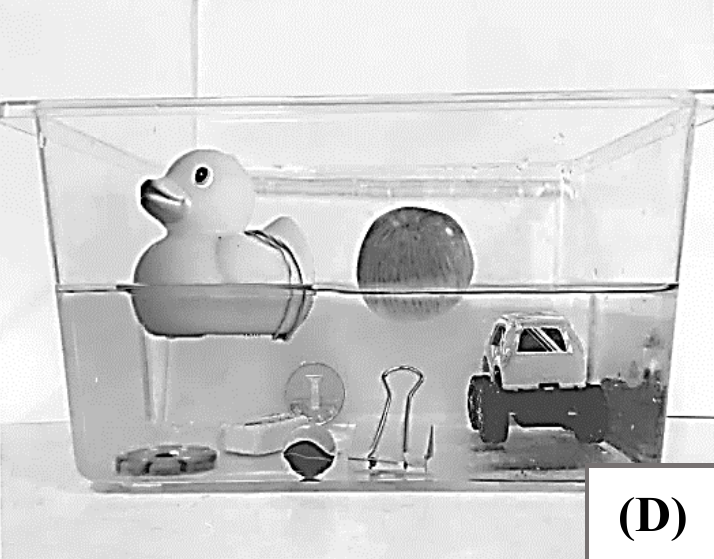
question one, you'll listen to a short conversation. Please look at the four pictures. How was school today, Mary? We had many interesting classes today. My favorite one was science class. Really? Tell me about it. The teacher asked us to put many objects in a bucket of water and observe what happened. So what did you learn from that experiment? I noticed that some objects went to the bottom of the bucket. The teacher said it had to do with density. DET. Question one. Which picture shows the class described by the girl? For
中文翻譯
第一題,你將會聽到一段簡短的對話。請看這四張圖片。 男:瑪麗,今天在學校怎麼樣? 女:我們今天上了很多有趣的課。我最喜歡的是自然課。 男:真的嗎?跟我說說看。 女:老師要我們把很多物品放進一桶水裡,並觀察會發生什麼事。 男:那妳從那個實驗中學到了什麼? 女:我注意到有些物品會沉到桶子底部。老師說這和密度有關。 第一題。哪一張圖片呈現了女孩所描述的課堂?
- A
第 2 題
- A
- B
- C
- D
看逐字稿
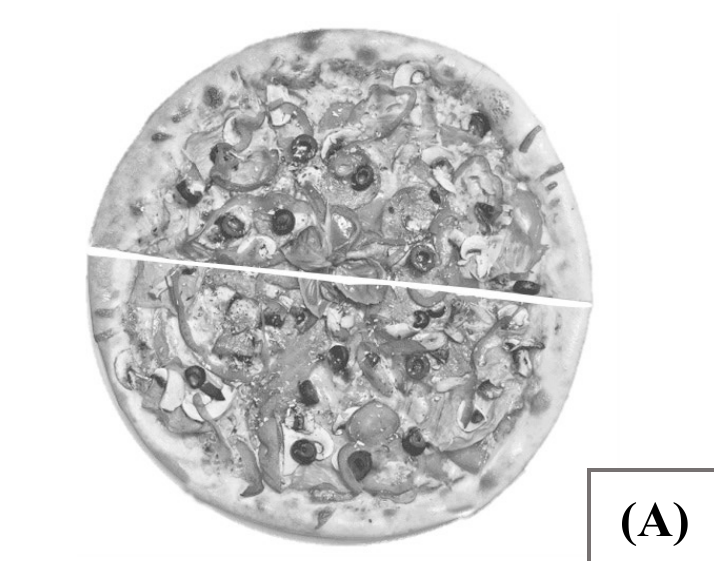
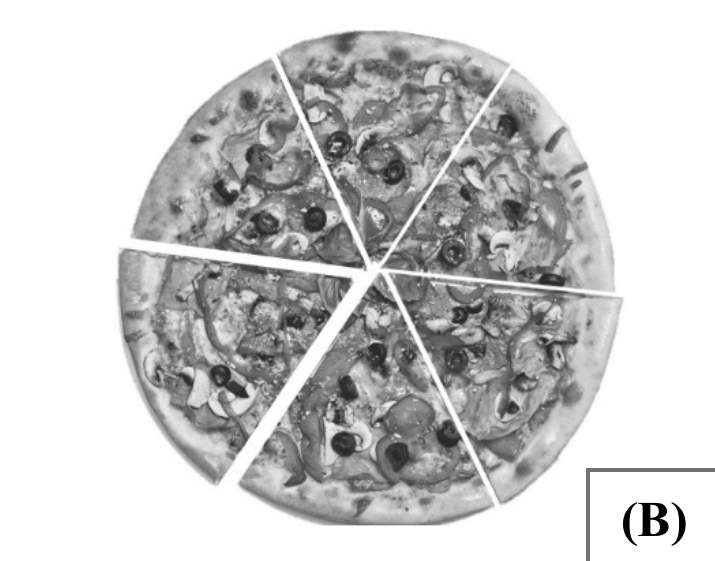
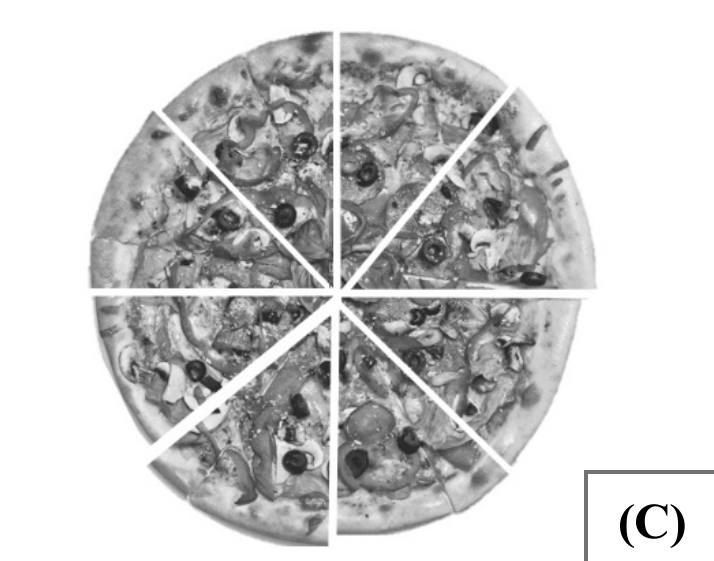
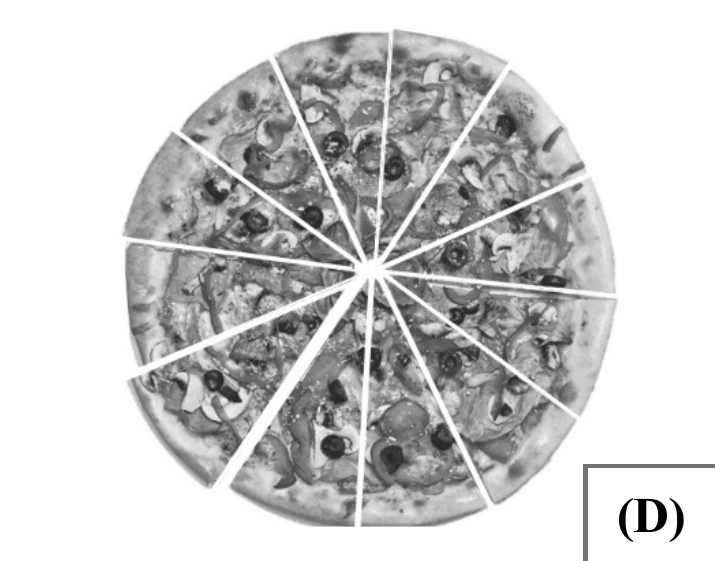
question two, you'll listen to a short conversation. Please look at the four pictures. How should I cut this pizza? You could leave it as it is. No. Who doesn't cut pizza? No? So how many people are going to eat it? Four. You, me, George, and Alice. So cut it into quarters. Well, I'd like to have two slices for each of us. Whatever. Just cut it before it gets cold. I'm starving. Question two. What will the pizza look like after the man cuts it? For
中文翻譯
第二題,你將會聽到一段簡短的對話。請看這四張圖片。這披薩我該怎麼切?你可以直接整塊保留,不用切。不行,哪有人吃披薩不切的?不行嗎?那有幾個人要吃?四個。你、我、喬治跟愛麗絲。那就切成四等分吧。嗯,我想讓我們每個人都能分到兩片。隨便啦,快在它變冷之前切好,我快餓死了。第二題:男士切完披薩後,披薩看起來會像什麼樣子?
- A
第 3 題
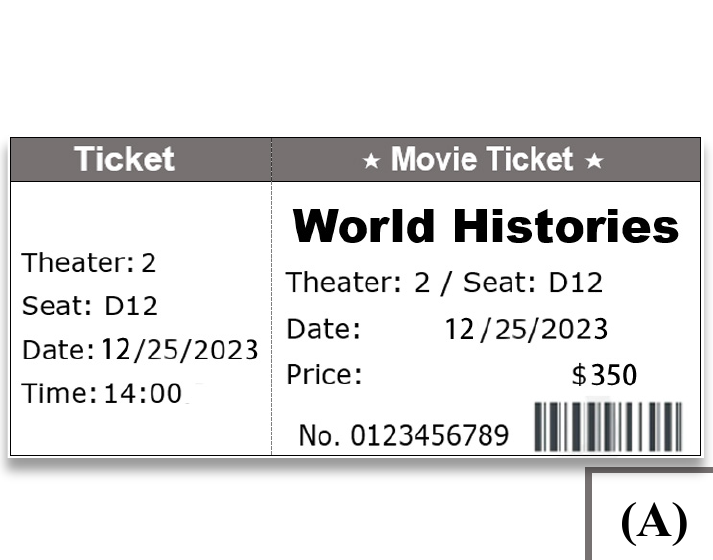
- A
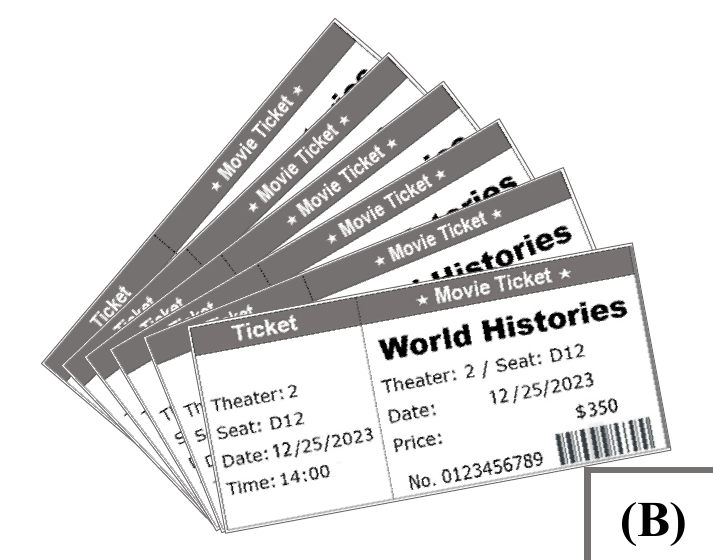
- B
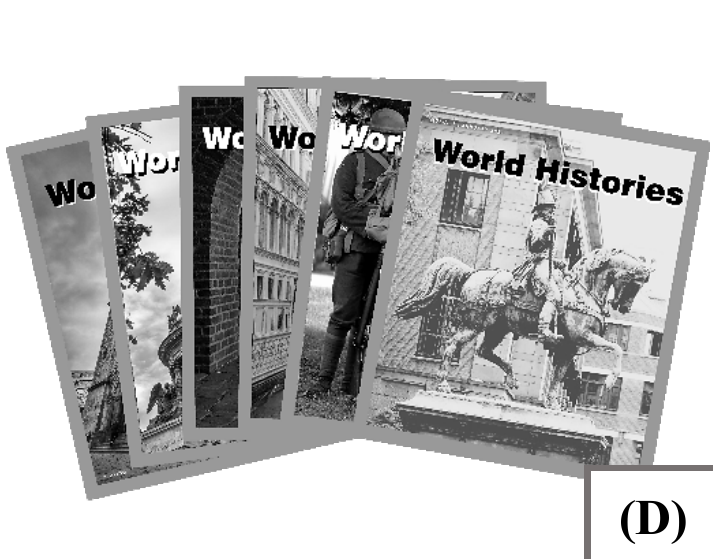
- C

- D
看逐字稿
question three, you'll listen to a short advertisement. Please look at the four pictures. Sign up for one of the most popular history magazines in the world. For just 2,000 NT dollars, we will mail six issues of World Histories to your home. The magazine covers ancient times to the modern age, from Western culture to Asian society. You will learn more about the world and yourself. Sign up now and enjoy a trip to the past. Question three. If you sign up and pay 2,000 NT dollars, what will you receive? For
中文翻譯
第三題。你將會聽到一段簡短的廣告。請看這四張圖片。訂閱世界上最受歡迎的歷史雜誌之一!只要新台幣 2,000 元,我們就會將六期《世界歷史》郵寄到您家。這本雜誌的內容涵蓋從遠古到現代,從西方文化到亞洲社會。您將更深入地了解這個世界以及您自己。現在就訂閱,享受一趟回到過去的旅程。第三題:如果您訂閱並支付新台幣 2,000 元,您會收到什麼?
- A
第 4 題
- A
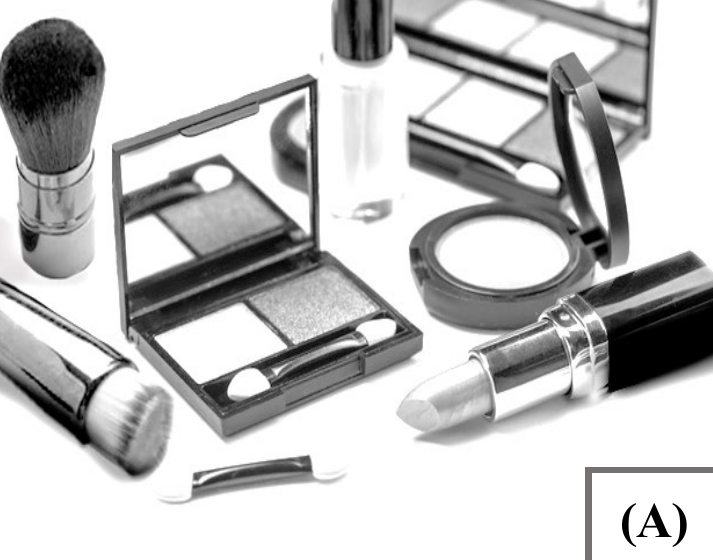
- B
- C

- D
看逐字稿
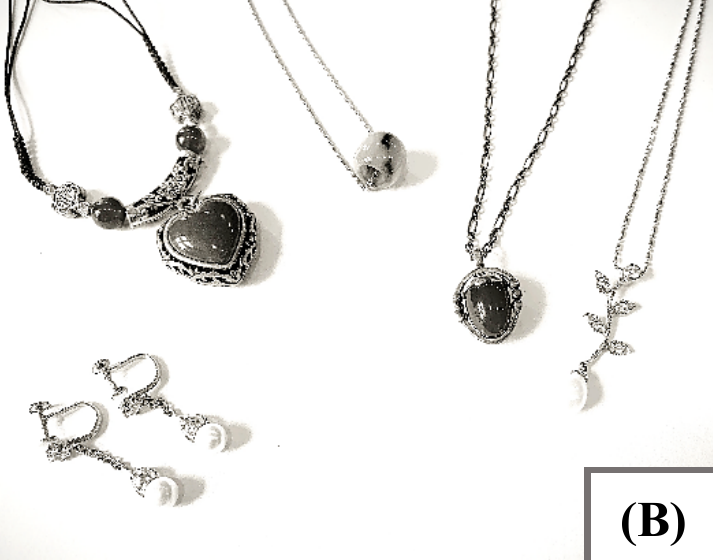
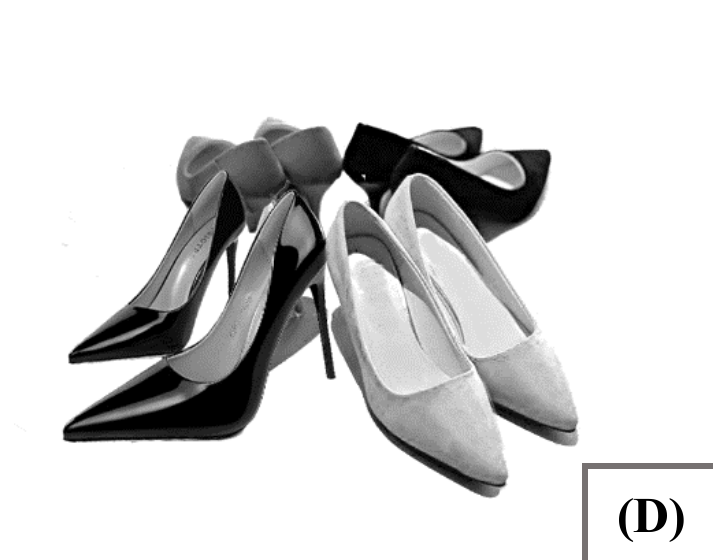
question four, you'll listen to a short conversation. Please look at the four pictures. Long time no see. Did you just come back from your trip to Japan? I had a lot of fun. The last few days were kinda tiring though. Why? Did you visit too many places? Nope. Too much shopping. I see. What did you get? Lots of vitamins, cosmetics, and a few pairs of shoes. They were all on sale. Question four. What did the woman not buy in Japan?
中文翻譯
第四題,你將會聽到一段簡短的對話。請看這四張圖片。 (男)好久不見。妳剛從日本旅遊回來嗎? (女)我玩得很開心。不過最後幾天有點累。 (男)為什麼?妳去了太多景點嗎? (女)不是,是買了太多東西。 (男)原來如此。妳買了些什麼? (女)很多維他命、化妝品,還有幾雙鞋子。那些全部都在特價。 第四題。這位女士在日本沒有買什麼?
- A
第二部分:圖片聽解(多選)
第 5 題 (複選)

看逐字稿
question five, please look at picture five. Question five. Which two of the following are true about the picture? A. The woman has a butterfly on her head. B. The woman is wearing a disguise. C. The woman is looking down at the floor. D. The woman has shoulder length hair. D. For
中文翻譯
第五題,請看圖片五。第五題。關於這張圖片,以下哪兩個敘述是正確的?A. 該名女子頭上有一隻蝴蝶。B. 該名女子戴著偽裝。C. 該名女子正往下看著地板。D. 該名女子留著及肩長髮。D. For
第 6 題 (複選)

看逐字稿
question six, please look at picture six. Question six. Which two of the following are true about the pillows in the picture? A. They have different patterns. B. They are round shaped. C. They have the same color. D. They are about the same size. For
中文翻譯
第六題,請看圖片六。第六題。關於圖片中的枕頭,以下哪兩項敘述是正確的?A. 它們的花紋不同。B. 它們是圓形的。C. 它們的顏色相同。D. 它們的大小差不多。
第 7 題 (複選)
看逐字稿
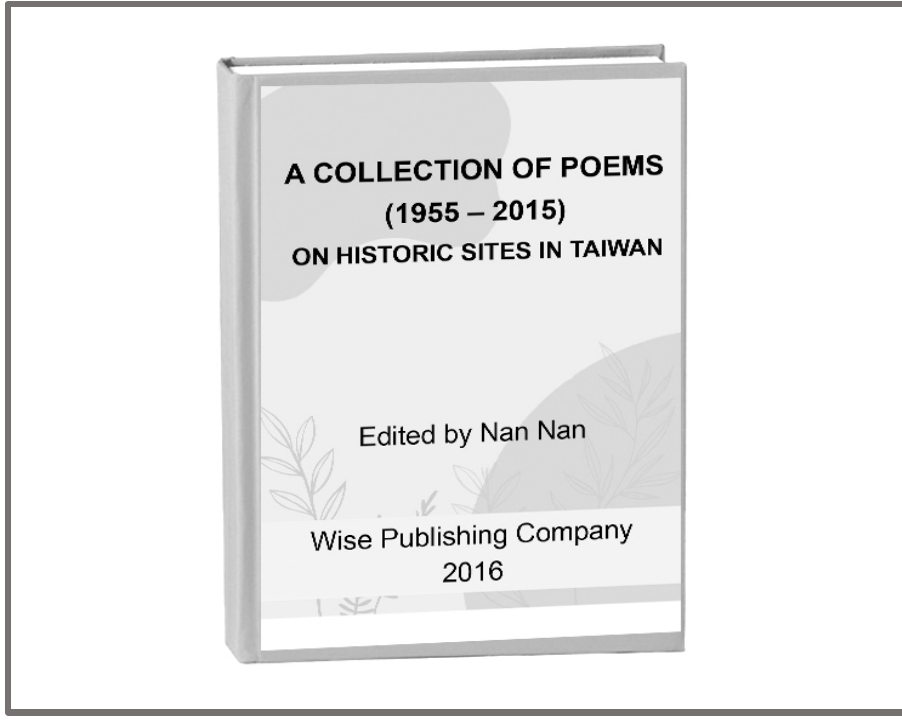
question seven, please look at picture seven. Question seven. Which two of the following are true about the book cover? A, the names of the poets are printed on the book cover. B. The book is about short stories written between 1955 and 2015. C. The book features poems written about places in Taiwan. D. The name of the publisher is shown on the book cover.
中文翻譯
第七題,請看圖片七。第七題。關於這本書的封面,以下哪兩項說明是正確的?A,書的封面印有詩人的名字。B,這本書是關於1955年至2015年間寫成的短篇小說。C,這本書收錄了關於台灣各地的詩作。D,書的封面顯示了出版社的名稱。
第 8 題 (複選)
看逐字稿
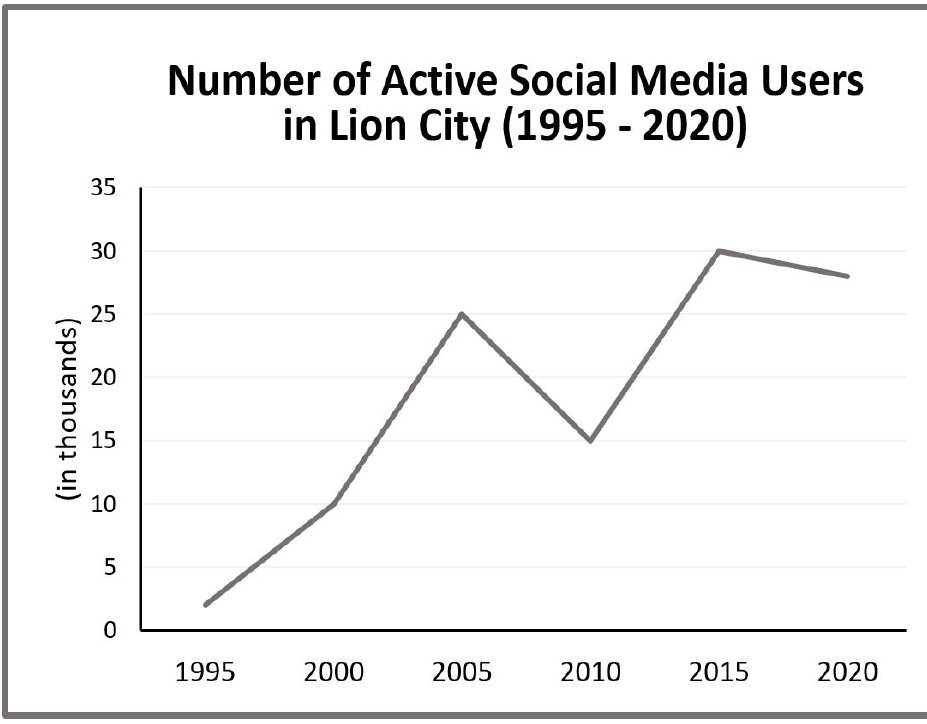
question eight, please look at picture eight. Question eight. Which two of the following are true about the graph? A, the number of active users peaked in 2015. B, the number of active users has been dropping continuously since February. The lowest number of active users was found in February. There were more active users in 2020 than in 2010.
中文翻譯
第八題,請看圖八。第八題。關於這張圖表,下列哪兩項敘述是正確的?A,活躍使用者人數在 2015 年達到最高峰。B,自二月以來,活躍使用者人數持續下降。最低的活躍使用者人數出現在二月。2020 年的活躍使用者人數多於 2010 年。
第三部分:對答
第 9 題
看逐字稿
Question nine. Excuse me, sir. Is this your car? This is a tow away zone. No parking is allowed.
中文翻譯
第九題。先生,不好意思。這是您的車嗎?這裡是拖吊區,禁止停車。
第 10 題
看逐字稿
Question 10. Since you asked, I would say the dark blue suit looks best on you.
中文翻譯
第 10 題。既然你問了,我覺得那套深藍色西裝你穿起來最好看。
第 11 題
看逐字稿
Question 11. What? You don't want to eat the pizza because I put pineapple on it?
中文翻譯
第 11 題。什麼?你不想吃這披薩,是因為我在上面放了鳳梨嗎?
第 12 題
看逐字稿
12. I need a big favor from Sally. Would you happen to know where she is?
中文翻譯
12. 我需要莎莉幫個大忙。你碰巧知道她人在哪裡嗎?
第 13 題
看逐字稿
13. You ordered the extra spicy fried chicken for me, not the regular. Right?
中文翻譯
13. 你幫我點的是大辣的炸雞,而不是原味的,對吧?
第 14 題
看逐字稿
Question 14. I'm surprised Tina won the speech contest this year. She used to be so shy and timid in class.
中文翻譯
第 14 題。我很驚訝 Tina 今年贏得了演講比賽。她以前在班上非常害羞膽小。
第 15 題
看逐字稿
Question 15. Did you know cases of domestic violence rose across The UK during the COVID nineteen lockdown?
中文翻譯
第 15 題。你知道在 COVID-19 封城期間,整個英國的家庭暴力案件有所增加嗎?
第 16 題
看逐字稿
16. Is it going to rain today? We haven't had any rain for months. I see you're using your own chopsticks. Yes. I always do these days. I keep them in my bag. I don't like using these disposable ones. Why not? What's wrong with them? For one thing, they're not environmentally friendly. You use them just once and then throw them away. It's such a waste. I think it's healthier to use my own too. At least I know they are clean.
中文翻譯
16. 今天會下雨嗎?我們已經好幾個月沒下雨了。我看你用自己帶的筷子。對啊,我最近都這樣,我把筷子放在包包裡。我不喜歡用這些免洗筷。為什麼不喜歡?免洗筷有什麼不好嗎?首先,它們很不環保。只用一次就丟掉,真的很浪費。而且我覺得用自己的筷子也比較健康,至少我知道它們是乾淨的。
第四部分:簡短對話
第 17 題
看逐字稿
17, you'll listen to a short conversation. Could you lend me a $100? I'll give it back to you on Friday. I only have 50. What do you need the money for? I forgot to bring my lunch. I need some money now. 50 is enough for a sandwich. You can pay me back tomorrow. Question 17. What is the woman going to do?
中文翻譯
第 17 題,你將會聽到一段簡短的對話。 「你可以借我 100 元嗎?我星期五會還你。」 「我只有 50 元。你為什麼需要這筆錢?」 「我忘了帶午餐。我現在需要一些錢。」 「50 元夠買一個三明治了。你明天再還我就可以了。」 問題 17:這位女士打算做什麼?
第 18 題
看逐字稿
question 18, you'll listen to a short conversation. Hey, Judy. I just got back from The States. Do you want to hang out this weekend? Sure. Is there any particular place in Taipei you want to visit? A night market or a restaurant that serves nice Taiwanese food? I was thinking of KTV. I've been dying to sing some Mandarin love songs since I was abroad. Maybe some K pop dance music as well? Great. We can order something tasty there, like beef noodles or fried chicken. I can't wait. Question 18. Which of the following is true about the conversation? For
中文翻譯
第 18 題,請聽一段簡短的對話。 男:嘿,Judy。我剛從美國回來。這週末要不要一起出來聚聚? 女:好啊。台北有什麼你特別想去的地方嗎?夜市,還是有賣好吃台灣料理的餐廳? 男:我想去 KTV。出國之後我就一直好想唱華語情歌,或許也可以唱些 K-pop 舞曲? 女:太棒了。我們可以在那裡點些好吃的,像是牛肉麵或炸雞。 男:我等不及了。 第 18 題:關於這段對話,下列哪一項敘述是正確的?
第 19 題
看逐字稿
question 19, you'll listen to a short conversation. I really don't know what you're upset about. I told you it was a war movie. No, you didn't. Don't you remember? You only said it was an action film. What's the difference? You're overreacting. No. I'm not. I've told you many times before that I hate war movies. Question 19. Why is the woman so upset? For
中文翻譯
第 19 題,請聽這段簡短的對話。 「我真的不知道你在生氣什麼。我跟你說過這是一部戰爭片了。」 「不,你沒有。你不記得了嗎?你只說這是一部動作片。」 「這有什麼差別?你反應過度了。」 「不,我沒有。我之前就跟你說過很多次,我討厭戰爭片。」 第 19 題。這位女性為什麼這麼生氣?
第 20 題
看逐字稿
question 20, you'll listen to a short conversation. Good morning. I'm sorry for coming in like this, but I'm in a lot of pain. I was wondering if Doctor. Chan had time to see me today. I think so. What seems to be the problem? Well, I'm not sure, but I think something is wrong with my tooth. The pain is really killing me. Oh, that sounds pretty serious. Let me see. I can squeeze you in at 10:00. How's that? Question 20. What is the man doing? For
中文翻譯
第 20 題,請聽一段簡短的對話。 「早安。很抱歉我就這樣跑進來,但我現在真的很痛。不知道陳醫師今天有沒有空幫我看診?」 「應該可以。請問你哪裡不舒服呢?」 「我也不太確定,但我看我的牙齒好像出問題了。真的快痛死我了。」 「噢,那聽起來挺嚴重的。我看看。我可以幫你安插在十點。這樣可以嗎?」 問題 20。這名男子正在做什麼?
第 21 題
看逐字稿
questions twenty one and twenty two, you'll listen to a conversation. We really need to clean up the department office. It's turning into a junk room. Yes. It's even messier because of the party last week. Why don't we set a cleaning day next week? We'll ask everyone to wear casual clothes and just get it all done. Great idea. There's a lot to take care of. Well, I think we need to start by clearing out all the old files, papers, and books on the shelves and tables. Absolutely. I wonder if we could recycle all those things. Another great idea and part of company policy. I can call someone to arrange that. Let's schedule the cleanup for next Friday. Alright. I'll send out an email on Tuesday so everyone can be ready. Ask everyone to remove any personal things they want to keep by Wednesday. Sounds like we have a plan. Let's do it. Question 21. What is the conversation mainly about? Question 22. Which of the following is true about the conversation?
中文翻譯
第21與22題,請聽以下對話。 「我們真的很需要清理一下部門辦公室,這裡快變成垃圾房了。」 「沒錯。因為上週的派對,現在看起來更亂了。」 「我們下週何不訂一個大掃除日?我們可以請大家穿便服,然後一口氣把辦公室整理好。」 「好主意。有好多東西需要處理。」 「嗯,我想我們應該先從清理書架和桌子上的舊檔案、文件和書本開始。」 「完全同意。不知道我們能不能把那些東西全部回收。」 「這也是個好主意,而且符合公司政策。我可以打電話聯絡人來安排。」 「那我們就把大掃除定在下週五吧。」 「好的。我會在週二發電子郵件通知,好讓大家做好準備。請大家在週三前拿走自己想留著的個人物品。」 「看來我們有計劃了。那就這麼辦吧。」 第21題:這段對話主要在談論什麼? 第22題:關於這段對話,下列何者正確?
第 22 題
看逐字稿
Question 22. Which of the following is true about the conversation? For questions twenty three and twenty four, you'll listen to a conversation. I'm thinking of inviting the family over for dinner one evening next weekend. What do you think? Would that be alright with you? Yeah. No problem. Which day are you thinking of? Saturday or Sunday? Saturday. It's easier, isn't it? No one has to get up early on Sunday morning. Right. One thing's bothering me though. What's that? My brothers, Steven and Roger. You know, they're still not talking to each other after that stupid argument weeks ago. Oh, I remember you telling me about that. What was it they argued about again? Oh, I don't even know. I only heard it was something stupid and unimportant. Anyway, I'm just wondering if it's a good idea to invite both of them over. Don't ask me. They're your brothers. Leave me out of it.
中文翻譯
第 22 題。關於這段對話,下列敘述何者正確?針對第 23 題與第 24 題,您將聆聽一段對話。 「我想下週末找個晚上邀請家人來吃晚餐。你覺得如何?你方便嗎?」 「好啊,沒問題。你想選哪一天?星期六還是星期日?」 「星期六。這樣比較省事,不是嗎?星期天早上大家都不用早起。」 「沒錯。不過有一件事一直困擾著我。」 「什麼事?」 「我的兄弟史蒂芬和羅傑。你知道的,自從幾週前那場愚蠢的爭吵之後,他們到現在還不跟彼此說話。」 「喔,我記得你跟我提過。他們到底是為什麼吵架來著?」 「喔,我甚至不知道。我只聽說是些愚蠢且無關緊要的事。」 「總之,我只是在想同時邀請他們兩個人過來是不是個好主意。」 「別問我。他們是你的兄弟,別把我扯進去。」
第 23 題
看逐字稿
questions twenty three and twenty four, you'll listen to a conversation. I'm thinking of inviting the family over for dinner one evening next weekend. What do you think? Would that be alright with you? Yeah. No problem. Which day are you thinking of? Saturday or Sunday? Saturday. It's easier, isn't it? No one has to get up early on Sunday morning. Right. One thing's bothering me though. What's that? My brothers, Steven and Roger. You know, they're still not talking to each other after that stupid argument weeks ago. Oh, I remember you telling me about that. What was it they argued about again? Oh, I don't even know. I only heard it was something stupid and unimportant. Anyway, I'm just wondering if it's a good idea to invite both of them over. Don't ask me. They're your brothers. Leave me out of it. Question 23. Which of the following is true about the family dinner? Question 24. What is bothering the man?
中文翻譯
第23與24題,你將會聽到一段對話。 A:我在想下週末挑個晚上邀請家人來吃晚餐。你覺得怎麼樣?你沒意見吧? B:好啊,沒問題。你想選哪一天?星期六還是星期日? A:星期六。這樣比較輕鬆,對吧?畢竟星期日早上大家都不用早起。 B:沒錯。不過有一件事讓我有點困擾。 A:什麼事? B:我的兄弟,史蒂芬和羅傑。你知道的,自從幾個星期前那場愚蠢的爭吵之後,他們到現在都還不跟彼此說話。 A:喔,我記得你跟我提過。他們到底是為什麼吵架來著? B:喔,我甚至不知道。我只聽說是一些愚蠢又無足輕重的小事。總之,我只是在想同時邀請他們兩個過來是不是個好主意。 A:別問我。他們是你的兄弟,別把我扯進去。 第23題:關於這場家庭晚餐,下列敘述何者正確? 第24題:什麼事情讓這名男子感到困擾?
第 24 題
看逐字稿
Question 24. What is bothering the man? The sample question is based on the following announcement. Good afternoon, ladies and gentlemen. This is captain Jason Zhang again. We will begin our descent into Hong Kong International Airport in about fifteen minutes. Depending on the instructions from the air traffic controllers, we expect to be landing at about 03:00. Remain seated with your seat belt fastened. On behalf of all of us at Star Air, thank you for flying with us. Questions twenty five and twenty six are based on the following talk. In the beginning, it was wonderful. Walking hand in hand in the park, sending little presents like chocolates, cakes, flowers, and texting messages back and forth. We'd spend every available hour together and think about each other all the time. But after a while, things slowed down a bit. We got used to each other and didn't see each other as often. We both knew things had changed, and it became more routine than exciting. The love was gone. Later, things got worse. Arguments were followed by awful silences, and we hardly ever met up or texted each other again. And then it was over. Questions twenty seven and twenty eight are based on the following talk. The following guidelines are given by the Parents Association for Youth Sports for all parents to follow when their children play sports together. Above all, parents should always encourage good sportsmanship. They should teach their children that fun and fair play are more important than winning by supporting and showing respect to the coaches and game officials. Also, parents should not use alcohol or tobacco when children are playing. They should follow these principles thoroughly to provide their children with positive support, care and encouragement. In doing so, children will be able to show respect for other players and treat everyone fairly when they are participating in sports activities and games together. Questions twenty nine and thirty are based on the following talk. I have a simple suggestion that I think would improve the mathematics education in this country, and it would be easy and inexpensive. All we have to do is spend more time teaching statistics in the math classroom. Why? First, because statistics is a subject that could be used on a daily basis. It's basically about understanding data, which is important in this digital world. Second, if taught properly, statistics can be a lot of fun. I mean, probability and statistics are the mathematics of games. It's about analyzing trends and predicting the future. And what could be more fun than that? So what I'm saying, as a professor of mathematics, is that with a little more statistics in the classroom, every high school student can improve their math performance. Questions thirty one and thirty two are based on the following talk. There is a growing interest in developing a model of education for the twenty first century. People have a lot of fixed ideas about education. Many believe that lessons should last no more than an hour, mobile phones should be turned off during class, and students should learn in classrooms. These beliefs are common because they match how most of us were educated. However, why should classes last only an hour when half day meetings would allow students to look deeply into subject material? Why not allow students to use their smartphones as learning aids? And why not go out to learn from the real world? Only a few schools are asking themselves these questions, but things are starting to change. The sample question is based on the following conversation. Hi. My name is Yeching Wang. I'm the president of the Taiwan Student Association. We're planning to organize a reception party next month, but I just got an email yesterday saying that there were some problems with our application. Okay. Hold on a moment. Let me get your event planning worksheet and see what's going on. Thanks. Ah, I see. Your worksheet is incomplete, so we're unable to process your application. You still need to check the event location. Where are you going to hold your event? Well, it's going to be in Aristotle Hall, Conference Room 305. Alright. Just check Aristotle and write down Room 305. Now, let's move on to the next section. Sample question. Where will the event be held? Questions 33 to 36 are based on the following conversation. Hi. I'd like to borrow a book, but it's not held here. Could I get it from another library? Sure. Have you filled out the interlibrary loan request form? Yes. Actually, I submitted it online last Friday, but I haven't heard anything since then. Okay. Let me check it again. Your name and department, please. Victor Carlos in psychology. Well, our system shows that your form hasn't been processed yet because you didn't sign the copyright declaration. Look, please sign your name at the bottom. Ah, I see. I thought it was because I didn't pay the shipping fee. No. You can pay it in cash when picking up the book. That's $3 for each item. So how long will it take to get the book? Well, most loans will arrive in about one week. But how do I know when it will arrive? We'll email you when it's received. You can also log in to your student account to monitor the status of your loan request. We'll process your request today. The estimated delivery date then will be Monday, April 26. I can't make it on that day. Can I come on Thursday instead? Sure. We'll keep it for five days. Great. Thanks.
中文翻譯
第 24 題。是什麼在困擾這位男子? 範例問題是根據以下廣播。各位女士、先生,下午好。我是機長張傑森。我們將在約十五分鐘後開始降落至香港國際機場。根據飛航管制員的指示,我們預計將在下午三點左右著陸。請留在座位上並繫好安全帶。我謹代表星空航空全體同仁,感謝您搭乘我們的航班。 第 25 題和第 26 題是根據以下談話。一開始,一切都很美好。在公園裡手牽手散步,送些巧克力、蛋糕、鮮花等小禮物,還有來回傳送簡訊。我們會共度所有能抽出的時間,且無時無刻不在思念著對方。但過了一陣子,感情稍微降溫了。我們習慣了彼此的存在,見面的次數也不再那麼頻繁。我們都知道事情變了,相處變得像例行公事,不再令人興奮。愛已經不復存在。後來,情況變得更糟。爭吵之後伴隨著可怕的沉默,我們幾乎不再見面,也不再給對方發簡訊。接著,一切就結束了。 第 27 題和第 28 題是根據以下談話。以下是青少年體育家長協會為所有家長提供的指南,供孩子們一起進行體育活動時遵循。最重要的是,家長應該隨時鼓勵良好的運動家精神。他們應該透過支持並尊重教練和裁判,來教育孩子「好玩」與「公平競爭」比「贏球」更重要。此外,當孩子在進行體育活動時,家長不應飲酒或吸菸。他們應該徹底遵循這些原則,為孩子提供積極的支持、關懷與鼓勵。如此一來,孩子們在共同參與體育活動和比賽時,就能展現出對其他選手的尊重,並公平地對待每個人。 第 29 題和第 30 題是根據以下談話。我有一個簡單的建議,我認為可以改善這個國家的數學教育,而且這個方法既簡單又省錢。我們只需要在數學課堂上花更多時間教授統計學。為什麼呢?第一,因為統計學是一門日常生活中都能用到的學科。它基本上是關於理解數據,這在當今的數位世界中至關重要。第二,如果教學得當,統計學可以非常有趣。我的意思是,機率與統計是關於遊戲的數學。它是關於分析趨勢和預測未來。還有什麼能比這更有趣呢?所以,作為一名數學教授,我想說的是,只要在課堂上多融入一點統計學,每位高中生都能提升他們的數學表現。 第 31 題和第 32 題是根據以下談話。人們對於發展 21 世紀的教育模式越來越感興趣。大家對教育有很多刻板印象。許多人認為每堂課的時間不應超過一小時、上課期間應關閉手機,且學生應該在教室裡學習。這些觀念很常見,因為它們符合我們大多數人接受教育的方式。然而,既然半天的研討能讓學生深入探討學科內容,為什麼課堂時間只能限制在一小時呢?為什麼不允許學生將智慧型手機當作學習輔助工具?又為什麼不走出戶外,向真實世界學習呢?雖然只有少數學校在思考這些問題,但事情已經開始在改變了。 範例問題是根據以下對話。你好。我叫王雅晴。我是台灣學生會的會長。我們計劃下個月舉辦一場歡迎派對,但我昨天剛收到一封電子郵件,說我們的申請有些問題。好的。請稍等一下。我拿一下你們的活動企劃表,看看是怎麼回事。謝謝。啊,我明白了。你們的企劃表填寫不完整,所以我們無法處理你們的申請。你還需要勾選活動地點。你們打算在哪裡舉辦活動?嗯,會在亞里斯多德館(Aristotle Hall)的 305 會議室。好的。只要勾選亞里斯多德館並寫下 305 室即可。現在,我們進入下一部分。範例問題。活動將在哪裡舉行? 第 33 題至第 36 題是根據以下對話。你好。我想借一本書,但這裡沒有館藏。我可以從其他圖書館借調嗎?當然可以。你填寫館際合作借書申請表了嗎?填了。事實上,我上週五就在線上提交了,但之後就一直沒有收到任何消息。好的。讓我再幫你確認一下。請告訴我你的姓名和科系。心理系的維克多·卡洛斯(Victor Carlos)。嗯,我們的系統顯示你的申請表尚未處理,因為你沒有簽署著作權聲明書。你看,請在底部簽名。啊,原來如此。我還以為是因為我沒付運費。不是。你可以在取書時用現金支付。每件費用是 3 美元。那麼,拿到書需要多長時間?嗯,大多數借調的書大約會在一個星期內送達。但我要怎麼知道它什麼時候會到?我們收到書後會發電子郵件通知你。你也可以登入你的學生帳戶來追蹤借調申請的進度。我們今天就會處理你的申請。預計送達日期會是 4 月 26 日星期一。我那天沒辦法來。我可以改在星期四來拿嗎?當然可以。我們會為你保留五天。太好了,謝謝。
第五部分:短文聽解
第 25 題
What is this talk mainly about?
看逐字稿
Questions twenty five and twenty six are based on the following talk. In the beginning, it was wonderful. Walking hand in hand in the park, sending little presents like chocolates, cakes, flowers, and texting messages back and forth. We'd spend every available hour together and think about each other all the time. But after a while, things slowed down a bit. We got used to each other and didn't see each other as often. We both knew things had changed, and it became more routine than exciting. The love was gone. Later, things got worse. Arguments were followed by awful silences, and we hardly ever met up or texted each other again. And then it was over.
中文翻譯
第25題與第26題是根據以下這段談話。剛開始的時候一切都很美好。在公園裡手牽手散步、送巧克力、蛋糕和鮮花等小禮物,以及互相傳簡訊。我們會把握所有能相處的時間在一起,並且時時刻刻想著彼此。但過了一陣子,熱度稍微降溫了。我們習慣了彼此,見面的次數也沒有那麼頻繁。我們兩人都知道事情變了,生活變得像例行公事般枯燥,不再令人興奮。愛已經不在了。後來,情況變得更糟。爭吵過後迎來的是可怕的沉默,我們幾乎不再見面或傳簡訊給對方。接著,一切就結束了。
第 26 題
Which of the following is NOT mentioned in the talk?
看逐字稿
(Shared talk with Q25 — read the printed stem; no separate spoken question prompt. The talk audio plays once on the group clip.)
中文翻譯
(與第 25 題共用談話內容——請閱讀紙本題幹;無個別的口頭提問。該段談話錄音於組合音檔中僅播放一次。)
第 27 題
What is this talk mainly about?
看逐字稿
twenty seven and twenty eight are based on the following talk. The following guidelines are given by the Parents Association for Youth Sports for all parents to follow when their children play sports together. Above all, parents should always encourage good sportsmanship. They should teach their children that fun and fair play are more important than winning by supporting and showing respect to the coaches and game officials. Also, parents should not use alcohol or tobacco when children are playing. They should follow these principles thoroughly to provide their children with positive support, care and encouragement. In doing so, children will be able to show respect for other players and treat everyone fairly when they are participating in sports activities and games together.
中文翻譯
第27題與第28題是根據以下談話內容。以下方針是由「青年體育家長協會」所提供,供所有家長在孩子們一起進行體育活動時遵守。最重要的是,家長應始終鼓勵良好的運動家精神。他們應該藉由支持並尊重教練和裁判,來教育孩子「好玩」與「公平競爭」比「贏得勝利」更重要。此外,當孩子在進行活動時,家長不應飲酒或吸菸。他們應該徹底遵循這些原則,為孩子提供積極的支持、關懷與鼓勵。藉由這樣做,孩子們在共同參與體育活動和比賽時,將能夠展現對其他選手的尊重,並公平地對待每個人。
第 28 題
Which of the following is NOT mentioned in the talk?
看逐字稿
(Shared talk with Q27 — read the printed stem; no separate spoken question prompt. The talk audio plays once on the group clip.)
中文翻譯
(與第 27 題共用聽力文本 — 請閱讀紙本題目;無單獨的口頭提問。該段談話音檔於題組中僅播放一次。)
第 29 題
Which of the following is mentioned as a benefit of the suggestion made in the talk?
看逐字稿
Questions twenty nine and thirty are based on the following talk. I have a simple suggestion that I think would improve the mathematics education in this country, and it would be easy and inexpensive. All we have to do is spend more time teaching statistics in the math classroom. Why? First, because statistics is a subject that could be used on a daily basis. It's basically about understanding data, which is important in this digital world. Second, if taught properly, statistics can be a lot of fun. I mean, probability and statistics are the mathematics of games. It's about analyzing trends and predicting the future. And what could be more fun than that? So what I'm saying, as a professor of mathematics, is that with a little more statistics in the classroom, every high school student can improve their math performance.
中文翻譯
第29題與第30題是根據以下演講內容。我有一個簡單的建議,我認為這可以改善這個國家的數學教育,而且這既簡單又省錢。我們唯一要做的事,就是在數學課堂上花更多時間教授統計學。為什麼呢?首先,因為統計學是一門日常生活中可以使用到的學科。它基本上是關於理解數據,這在這個數位世界中非常重要。第二,如果教學得當,統計學可以非常有趣。我的意思是,機率與統計是遊戲的數學。它是關於分析趨勢和預測未來。還有什麼比這更有趣的呢?所以身為一名數學教授,我想說的是,只要在課堂上多融入一點統計學,每位高中生都能提升他們的數學表現。
第 30 題
According to the talk, which of the following best describes the speaker’s opinion about teaching more statistics?
看逐字稿
(Shared talk with Q29 — read the printed stem; no separate spoken question prompt. The talk audio plays once on the group clip.)
中文翻譯
(與第 29 題共用聽力內容——請閱讀紙本題幹;無單獨的口說題目提示。該段聽力音檔於該組片段中播放一次。)
第 31 題
According to the talk, what is one fixed idea about education many people have?
看逐字稿
thirty one and thirty two are based on the following talk. There is a growing interest in developing a model of education for the twenty first century. People have a lot of fixed ideas about education. Many believe that lessons should last no more than an hour, mobile phones should be turned off during class, and students should learn in classrooms. These beliefs are common because they match how most of us were educated. However, why should classes last only an hour when half day meetings would allow students to look deeply into subject material? Why not allow students to use their smartphones as learning aids? And why not go out to learn from the real world? Only a few schools are asking themselves these questions, but things are starting to change.
中文翻譯
第31題與第32題是根據以下這段談話。大眾對於發展21世紀的教育模式正展現出越來越高的興趣。人們對教育有許多既定的觀念。許多人認為每堂課的時間不應超過一小時、上課期間應關閉手機,且學生應該在教室裡學習。這些觀念很常見,因為它們符合我們大多數人所受的教育方式。然而,既然半天的會議能讓學生更深入探討學科內容,為什麼課堂只能持續一個小時?為什麼不允許學生將智慧型手機當作學習輔助工具?又為什麼不走出教室,去真實世界中學習呢?目前只有少數學校正在思考這些問題,但情況已開始有所改變。
第 32 題
According to the talk, what is one question about education some schools are asking themselves?
看逐字稿
(Shared talk with Q31 — read the printed stem; no separate spoken question prompt. The talk audio plays once on the group clip.)
中文翻譯
(與第 31 題共用聽力內容——請閱讀試卷上的題幹;無單獨的口說問題提示。本段談話錄音在該題組中僅播放一次。)
第六部分:長篇聽解
第 33 題
看逐字稿
Questions 33 to 36 are based on the following conversation. Hi. I'd like to borrow a book, but it's not held here. Could I get it from another library? Sure. Have you filled out the interlibrary loan request form? Yes. Actually, I submitted it online last Friday, but I haven't heard anything since then. Okay. Let me check it again. Your name and department, please. Victor Carlos in psychology. Well, our system shows that your form hasn't been processed yet because you didn't sign the copyright declaration. Look, please sign your name at the bottom. Ah, I see. I thought it was because I didn't pay the shipping fee. No. You can pay it in cash when picking up the book. That's $3 for each item. So how long will it take to get the book? Well, most loans will arrive in about one week. But how do I know when it will arrive? We'll email you when it's received. You can also log in to your student account to monitor the status of your loan request. We'll process your request today. The estimated delivery date then will be Monday, April 26. I can't make it on that day. Can I come on Thursday instead? Sure. We'll keep it for five days. Great. Thanks. Question 33. Which form are the speakers mainly talking about? Question 34. What is the problem with the man's request form? Question 35. When will the book probably arrive? Question 36. Which of the following is true?
中文翻譯
對話源自第 33 至 36 題。 男:你好。我想借一本書,但這裡沒有館藏。我可以從其他圖書館借閱嗎? 女:當然可以。您填寫過「館際合作借書申請表」(interlibrary loan request form)了嗎? 男:有的。其實我上週五就在線上送出了,但之後就一直沒有收到任何消息。 女:好的,讓我再幫您確認一下。請問您的姓名和科系是? 男:心理系的 Victor Carlos。 女:嗯,我們的系統顯示您的申請表還沒處理,因為您沒有簽署「著作權聲明」。你看,請在最下方簽名。 男:啊,我懂了。我還以為是因為我沒付運費。 女:不是的。您取書時再付現金即可,每件是 3 美元。 男:那需要多久才能拿到書呢? 女:嗯,大部分的借閱大約一週內會送到。 男:但我怎麼知道書什麼時候會到? 女:收到書時我們會寄電子郵件給您。您也可以登入學生帳戶來追蹤借閱申請的進度。我們今天就會處理您的申請,預計送達日期會是 4 月 26 日星期一。 男:我那天抽不出時間。我可以改成星期四來拿嗎? 女:沒問題。我們會為您保留五天。 男:太棒了,謝謝。 問題 33:說話者主要在討論哪一種申請表? 問題 34:男子的申請表有什麼問題? 問題 35:書大約什麼時候會送到? 問題 36:下列何者正確?
第 34 題
看逐字稿
Question 34. What is the problem with the man's request form?
中文翻譯
第 34 題:這名男子的申請表有什麼問題?
第 35 題
看逐字稿
Question 35. When will the book probably arrive?
中文翻譯
第 35 題。這本書大約什麼時候會送達?
第 36 題
看逐字稿
Question 36. Which of the following is true? Questions 37 to 40 are based on the following talk. I'd like to talk about telecommuting today. Telecommuting is also known as working from home. Though it's a common practice in The United States, it has never been a popular option in Japan. But that's changing these days. A large number of Japanese employees have started to stay home and work remotely due to the advances in technology. So how do they feel about working from home? A recent survey collected 1,000 responses from Japanese employees aged 20 to 69 for their opinions on this topic. Let's take a look at the results. Our next slides will show you what Japanese workers like and dislike about working from home. Starting with the good points. They said that not commuting means less stress. Besides, they had more time to spend with their family and more time for other activities. They also found that they had more mental and physical energy. Now let's look at what they don't like about telecommuting. The top complaint was a lack of space to work in, as Japanese homes tend to be small, and workers found it harder to concentrate at home. Finally, they missed not being able to ask coworkers for immediate help or advice. However, despite these problems, most Japanese employees see telecommuting positively. Maybe more employers will offer this option to those workers who want to work from home.
中文翻譯
第36題:下列敘述何者正確?第37題至第40題是根據以下談話內容。今天我想談談遠距辦公。遠距辦公也被稱為在家工作。雖然這在美國是常見的做法,但在日本一直以來都不是個受歡迎的選項。不過最近情況正在改變。由於科技的進步,大量日本員工已開始留在家中進行遠距工作。那麼,他們對在家工作有什麼看法呢?最近的一項調查收集了1,000名年齡介於20至69歲之間的日本員工對此主題的意見。讓我們來看看結果。接下來的簡報投影片將向大家展示日本員工對在家工作的優點與缺點看法。首先從優點開始。他們表示不用通勤意味著壓力減少。此外,他們有更多時間陪伴家人,也有更多時間進行其他活動。他們還發現自己擁有更充足的精神與體力。現在讓我們來看看他們不喜歡遠距辦公的哪些方面。最主要的抱怨是缺乏工作空間,因為日本的住宅通常較小,且員工發現留在家中較難集中注意力。最後,他們很遺憾無法隨時向同事尋求即時的協助或建議。然而,儘管存在這些問題,大多數日本員工仍對遠距辦公抱持正面的態度。或許未來會有更多雇主為那些想要在家工作的員工提供這個選項。
第 37 題
看逐字稿
37 to 40 are based on the following talk. I'd like to talk about telecommuting today. Telecommuting is also known as working from home. Though it's a common practice in The United States, it has never been a popular option in Japan. But that's changing these days. A large number of Japanese employees have started to stay home and work remotely due to the advances in technology. So how do they feel about working from home? A recent survey collected 1,000 responses from Japanese employees aged 20 to 69 for their opinions on this topic. Let's take a look at the results. Our next slides will show you what Japanese workers like and dislike about working from home. Starting with the good points. They said that not commuting means less stress. Besides, they had more time to spend with their family and more time for other activities. They also found that they had more mental and physical energy. Now let's look at what they don't like about telecommuting. The top complaint was a lack of space to work in, as Japanese homes tend to be small, and workers found it harder to concentrate at home. Finally, they missed not being able to ask coworkers for immediate help or advice. However, despite these problems, most Japanese employees see telecommuting positively. Maybe more employers will offer this option to those workers who want to work from home. Question 37. According to the talk, which of the following is true? Question 38. Which of the following is not one of the advantages of working from home? Question 39. What do Japanese workers dislike about working from home? Question 40. How do most Japanese employees feel about working from home?
中文翻譯
第37至40題是根據以下這段談話。今天我想聊聊「遠距工作」(telecommuting)。遠距工作也被稱為「在家工作」。雖然這在美國是很普遍的做法,但在日本一直以來都不是個受歡迎的選項。不過,最近情況正在改變。由於科技的進步,大量的日本員工開始留在家中進行遠端工作。那麼,他們對於在家工作有什麼看法呢?最近的一項調查收集了1,000名年齡介於20至69歲的日本員工對此議題的意見。讓我們來看看結果。接下來的投影片將向大家展示日本上班族對於在家工作的喜好與排斥之處。首先從優點開始。他們表示,不用通勤意味著壓力減少。此外,他們有更多時間陪伴家人,也有更多時間進行其他活動。他們還發現自己擁有更充足的精神與體力。現在讓我們來看看他們不喜歡遠距工作的哪些地方。最主要的抱怨是缺乏工作空間,因為日本的住宅通常偏小,而且員工發現留在家中較難集中注意力。最後,他們覺得無法即時向同事尋求協助或建議很可惜。然而,儘管有這些問題,大多數日本員工對遠距工作仍抱持正面態度。或許未來會有更多雇主向那些想在家工作的員工提供這個選項。第37題:根據這段談話,下列哪一項是正確的?第38題:下列哪一項不是在家工作的優點之一?第39題:日本上班族不喜歡在家工作的什麼地方?第40題:大多數日本員工對於在家工作有什麼看法?
第 38 題
看逐字稿
Question 38. Which of the following is not one of the advantages of working from home?
中文翻譯
第 38 題:下列何者不是在家工作的優點之一?
第 39 題
看逐字稿
Question 39. What do Japanese workers dislike about working from home?
中文翻譯
第 39 題:日本員工不喜歡在家工作的哪一點?
第 40 題
看逐字稿
Question 40. How do most Japanese employees feel about working from home?
中文翻譯
第 40 題。大多數日本員工對於居家辦公有何感受?