高中英語聽力測驗 · 40 題
大學入學考試中心 高中英語聽力測驗 試題示例 4
大學入學考試中心公開的高中英聽試題示例與參考試卷,附整卷音檔和逐字稿。
試題來源:大學入學考試中心公開試題,音檔與題目著作權屬原單位。逐字稿由 Loopy 整理,本頁僅供學習使用。
整卷音檔
第一部分:看圖辨義(單選)
第 1 題
- A
- B
- C
- D
看逐字稿
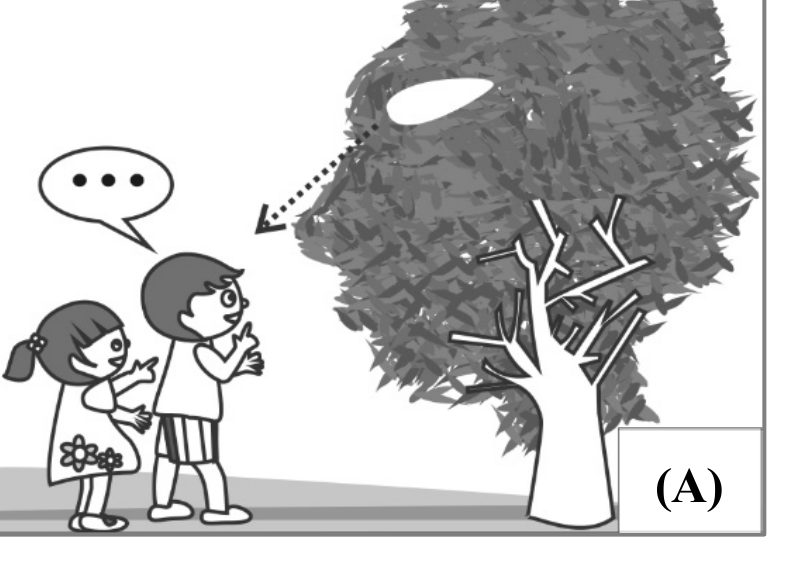
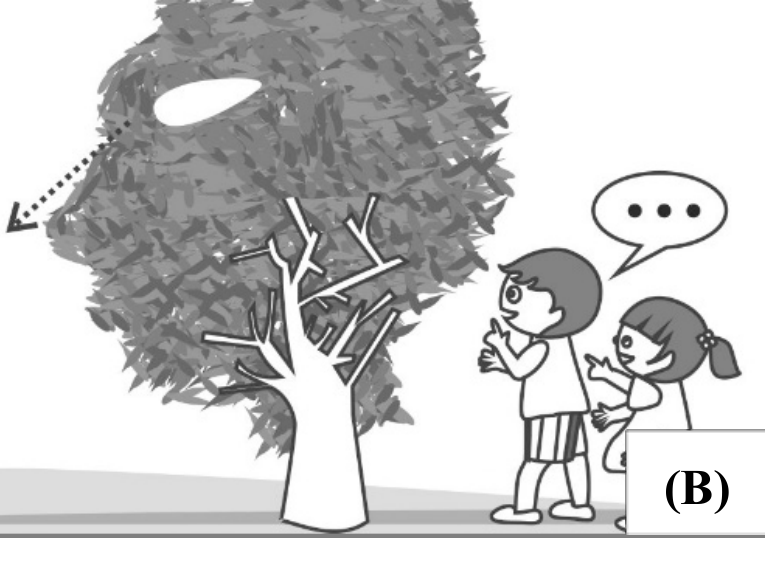
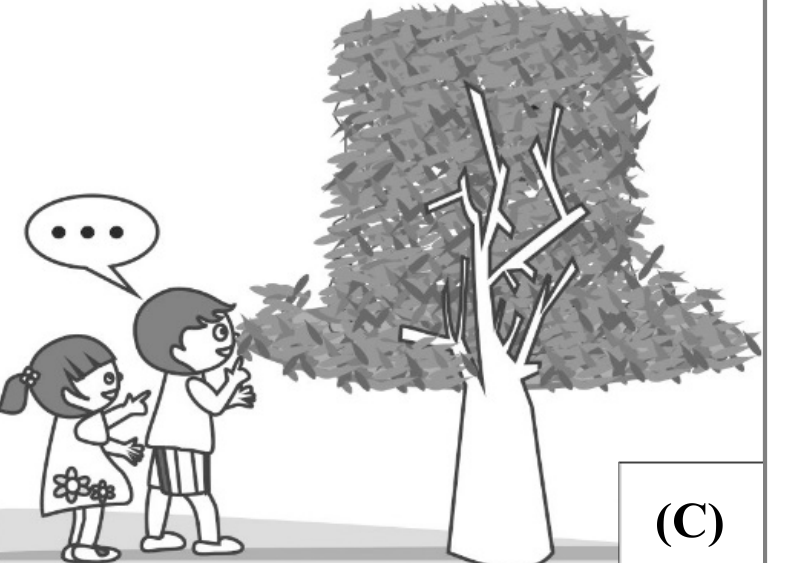
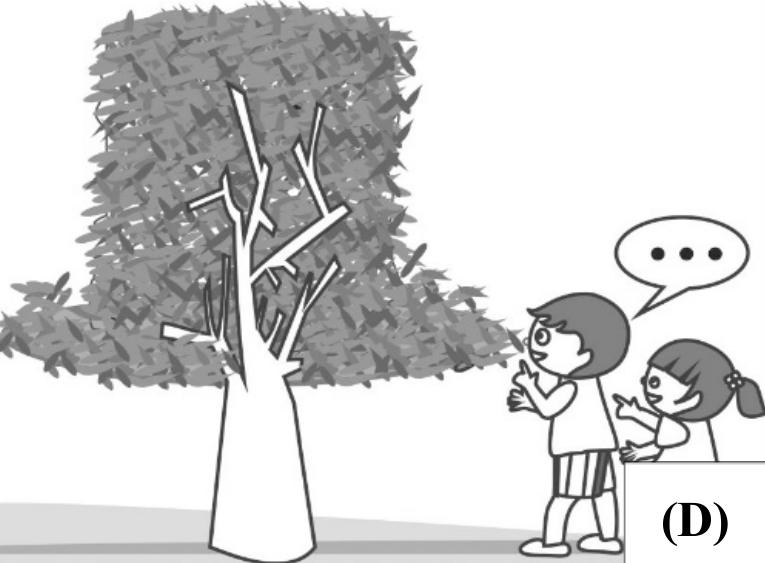
one, please look at the four pictures. Question one. Look at the tree. It looks like a man's head that is looking at us. For question
中文翻譯
第一題,請看這四張圖片。問題一。看這棵樹。它看起來像一個正看著我們的男人頭部。關於問題……
- A
第 2 題
- A
- B
- C
- D
看逐字稿
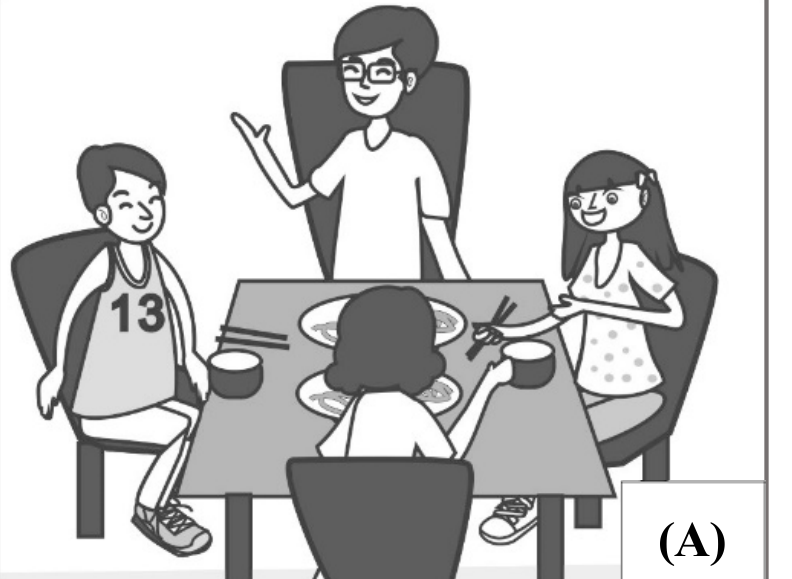
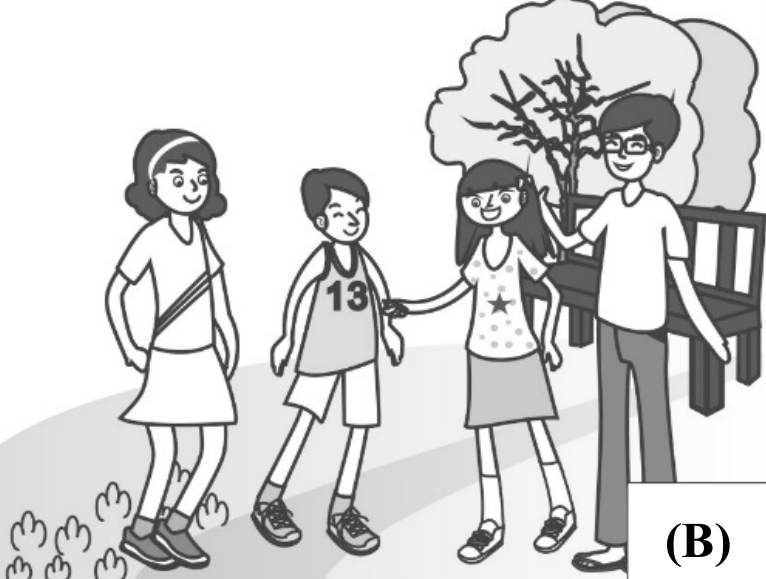
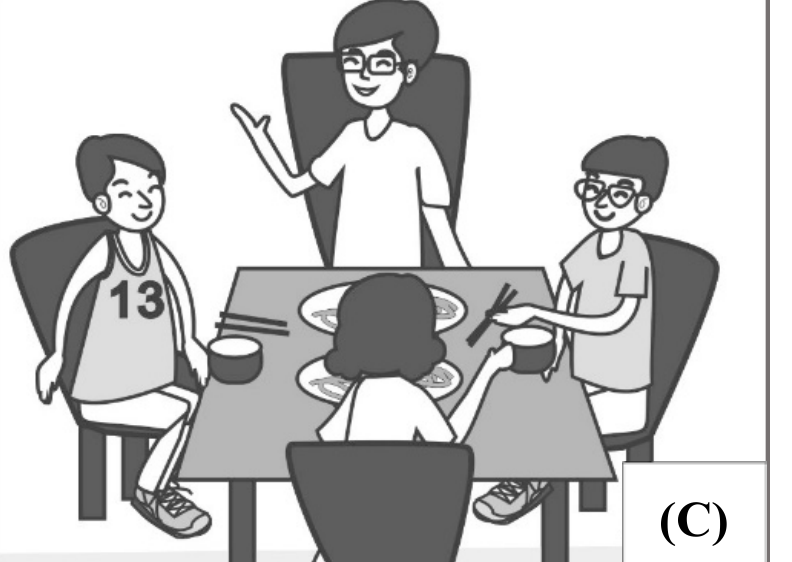
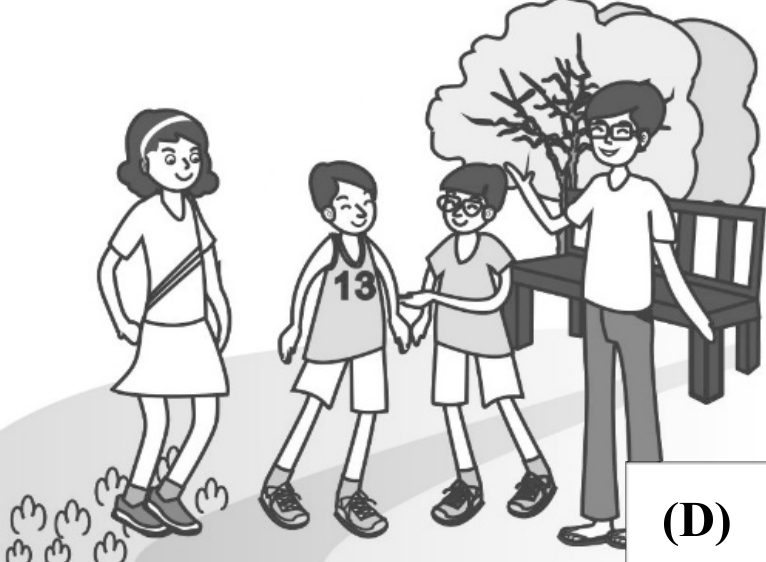
two, please look at the four pictures. Question two. A family of four is taking a walk in the park. The two boys are wearing a big smile. For
中文翻譯
第二題,請看這四張圖片。第二題。一家四口正在公園裡散步。這兩個男孩臉上帶著燦爛的笑容。
- A
第 3 題
- A
- B
- C
- D
看逐字稿
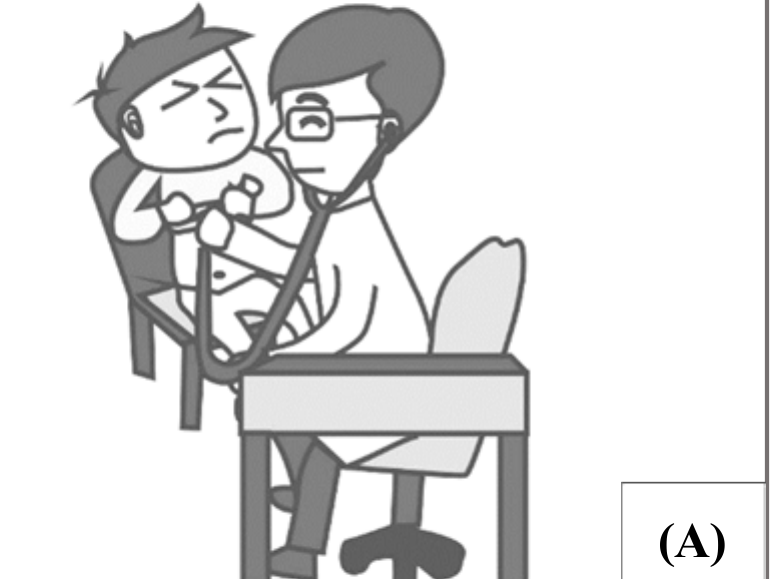
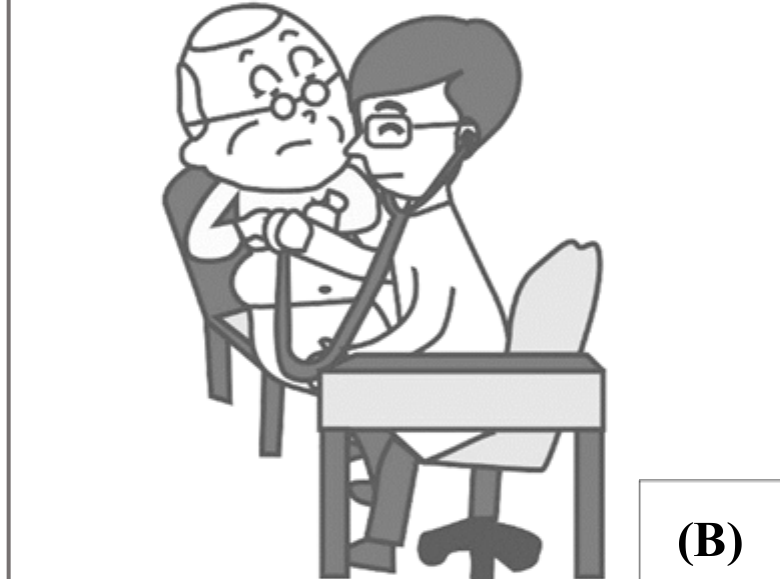
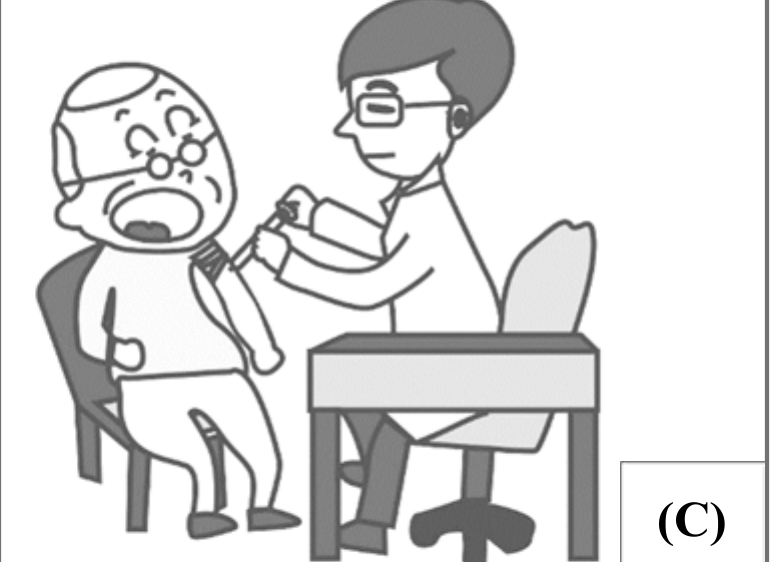
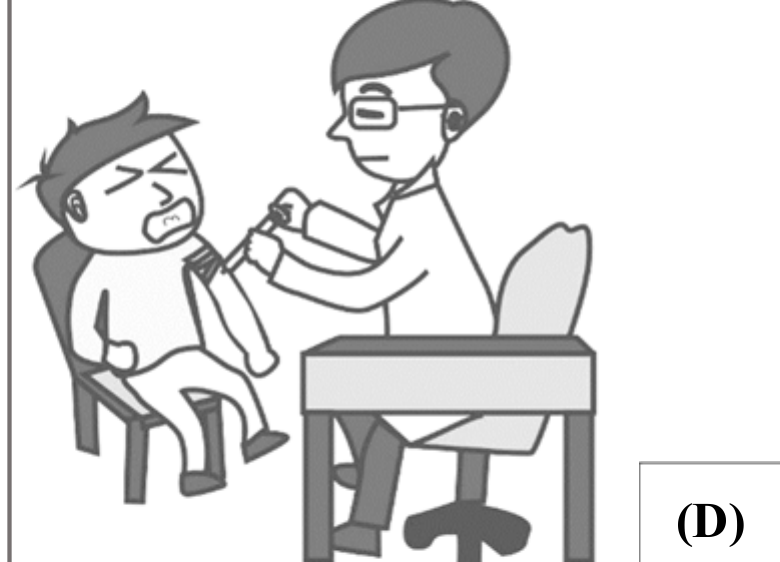
question three, please look at the four pictures. Question three. An elderly man is being examined by a doctor. The doctor is listening to his heart. For
中文翻譯
第三題,請看這四張圖片。第三題。一位老先生正在接受醫生的檢查。醫生正在聽他的心跳。
- A
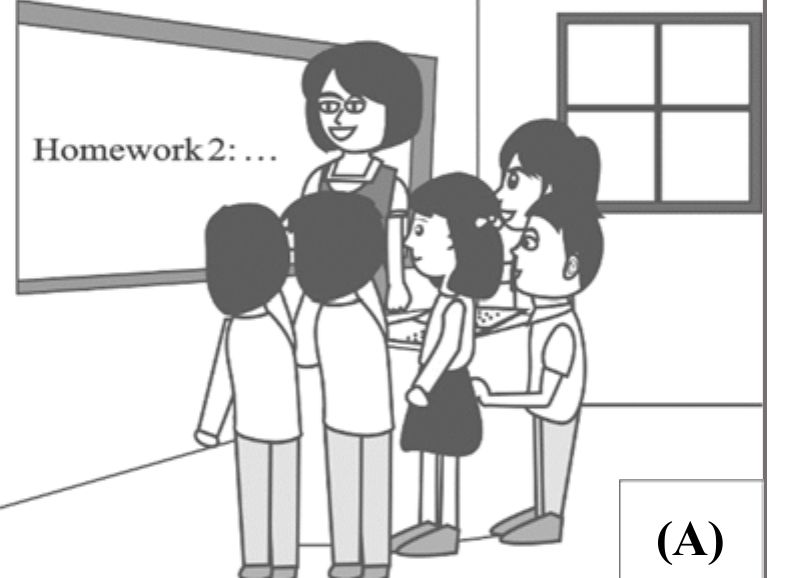
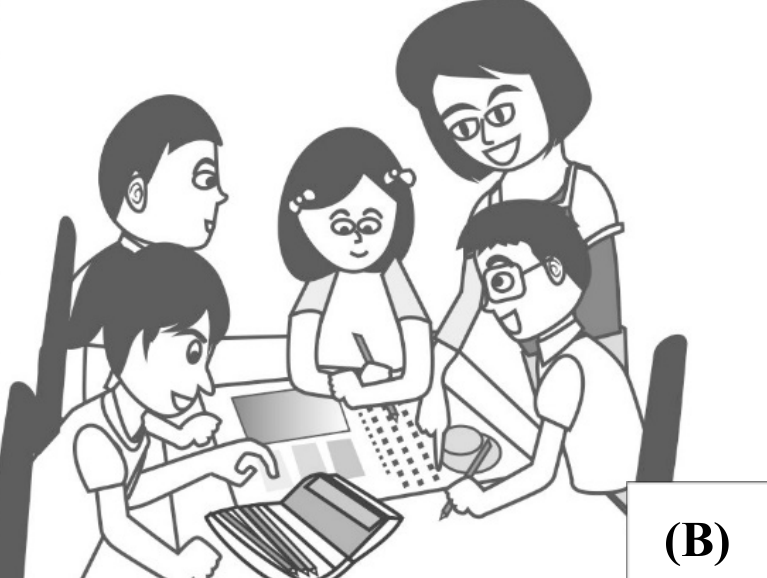
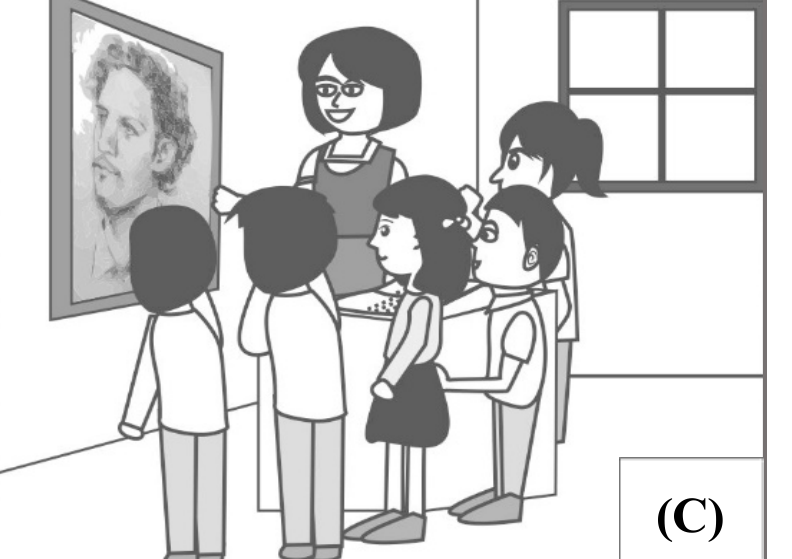
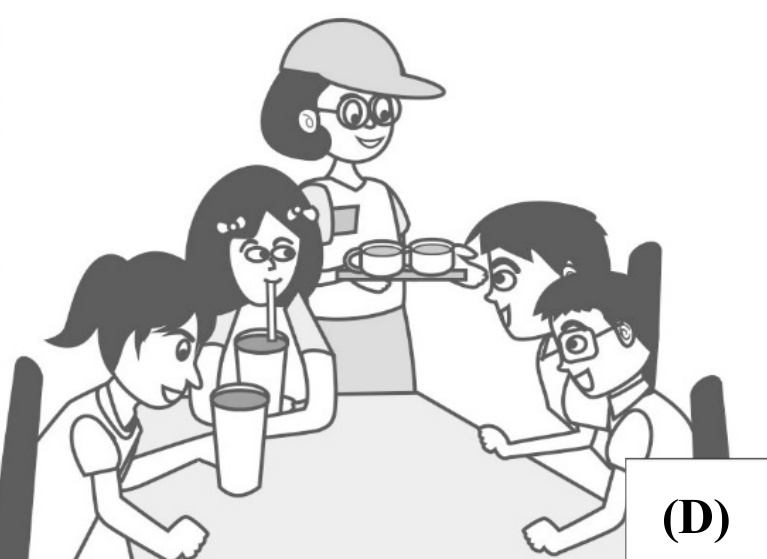
第 4 題
- A
- B
- C
- D
看逐字稿
question four, please look at the four pictures. Question four. The students are sitting at their desk. They're learning in a group with the help of their teacher.
中文翻譯
第四題,請看這四張圖片。第四題。學生們正坐在課桌旁。他們正在老師的協助下進行小組學習。
- A
第二部分:看圖辨義(多選)
第 5 題 (複選)

看逐字稿
question five, please look at picture five. Question five. Which two of the following are true about the woman in the picture? A, She's wearing glasses. B. She has long hair. C. She's sleeping on the sofa. D. She's reading a book on the sofa. For
中文翻譯
第五題,請看圖片五。第五題。關於圖片中的女子,以下哪兩項說明是正確的?A. 她戴著眼鏡。B. 她留著長髮。C. 她在沙發上睡覺。D. 她在沙發上看書。
第 6 題 (複選)
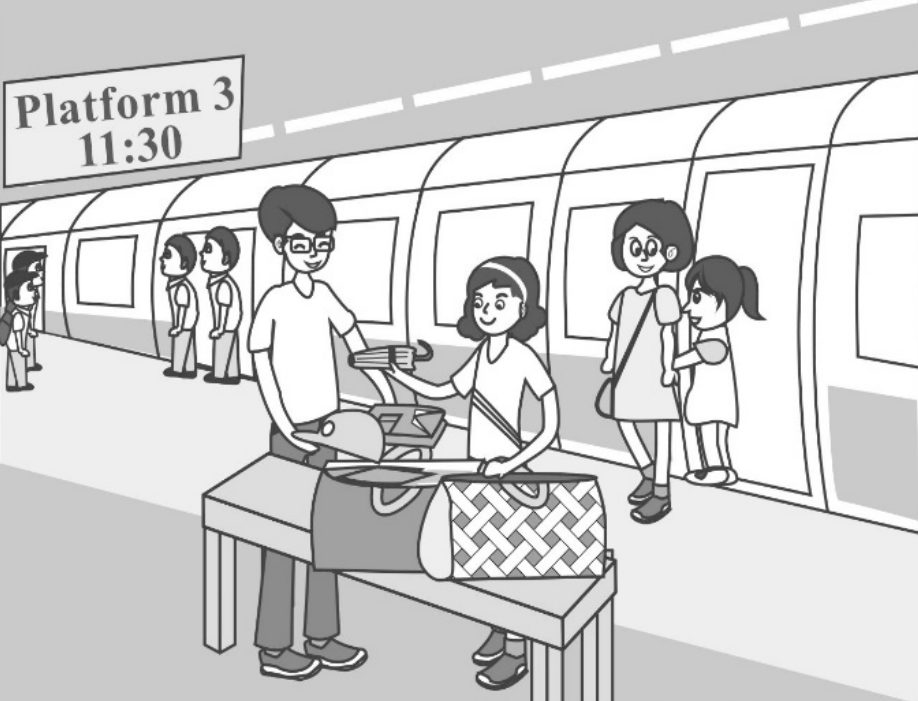
看逐字稿
question six, please look at picture six. Question six. Which two of the following are true about the picture? A. Some people are getting off a train. B. The train arrives at this station at 06:30. C. Two people are sitting on a bench. D. A couple is going through their luggage. For question
中文翻譯
第六題,請看圖片六。第六題。關於這張圖片,以下哪兩項描述是正確的?A. 有些人正從火車上下來。B. 火車在六點三十分抵達此站。C. 有兩個人坐在長椅上。D. 一對情侶正翻找著他們的行李。針對問題
第 7 題 (複選)
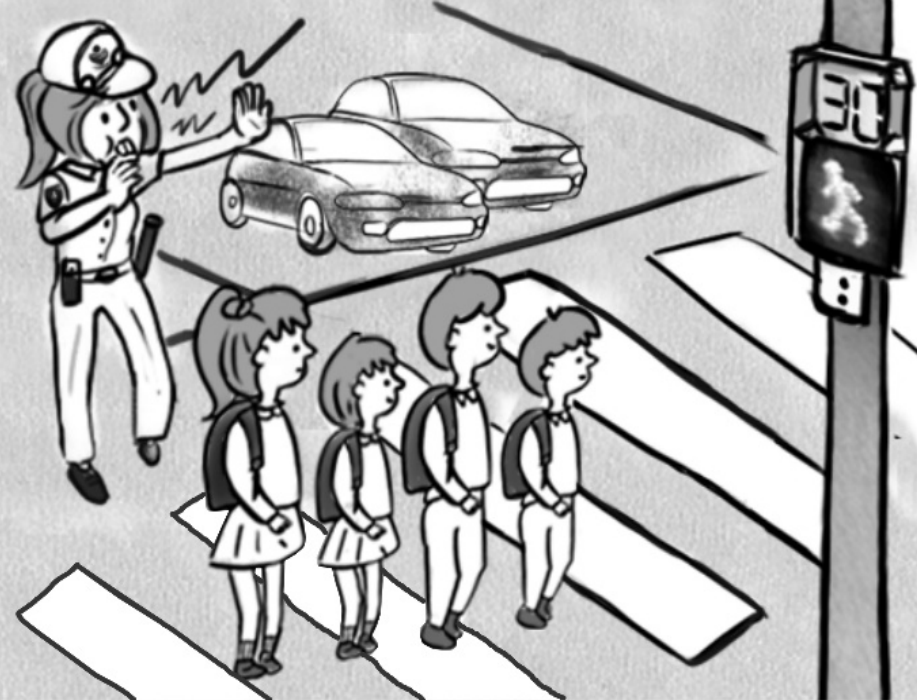
看逐字稿
seven, please look at picture seven. Question seven. Which two of the following are true about the people in the picture? A, a male school teacher is directing the traffic. B, several school children are crossing the street. C. A female police officer is directing the traffic. D. Several senior citizens are crossing the street. For question
中文翻譯
第七題,請看圖片七。第七題。關於圖片中的人物,以下哪兩項描述是正確的?A,一名男教師正在指揮交通。B,幾名學童正在過馬路。C,一名女警正在指揮交通。D,幾位年長者正在過馬路。針對問題
第 8 題 (複選)
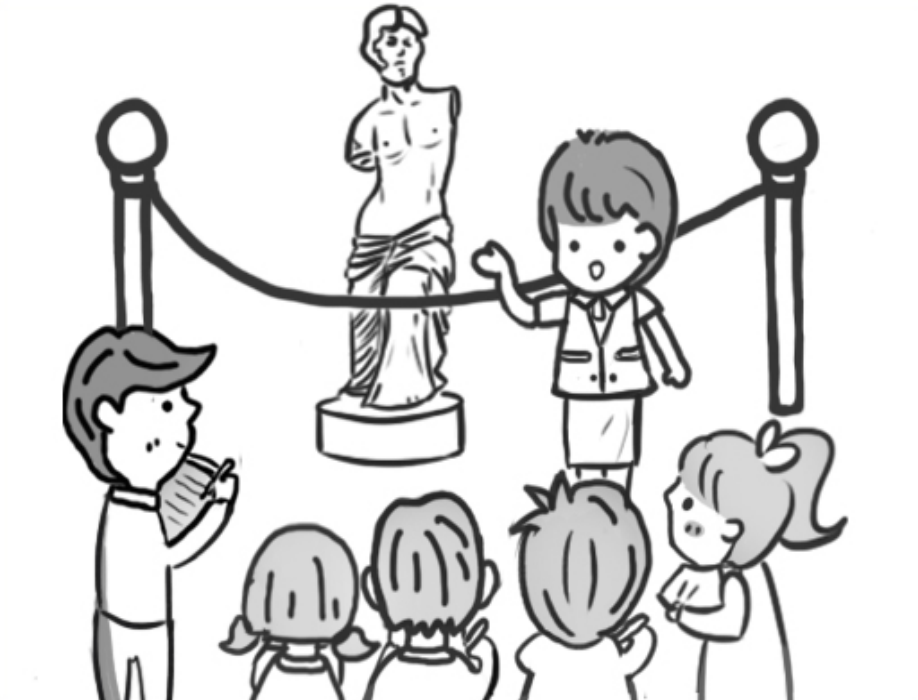
看逐字稿
eight, please look at picture eight. Question eight. Which two of the following are true about the picture? A, people are lining up for concert tickets. B, people are listening with attention. C, the woman is giving a museum tour. D, The woman is dancing happily. For
中文翻譯
第八題,請看圖片八。問題八:關於這張圖片,下列哪兩項說明是正確的?A,人們正在排隊買演唱會門票。B,人們正在專心聆聽。C,這名女子正在進行博物館導覽。D,這名女子正在快樂地跳舞。
第 9 題 (複選)
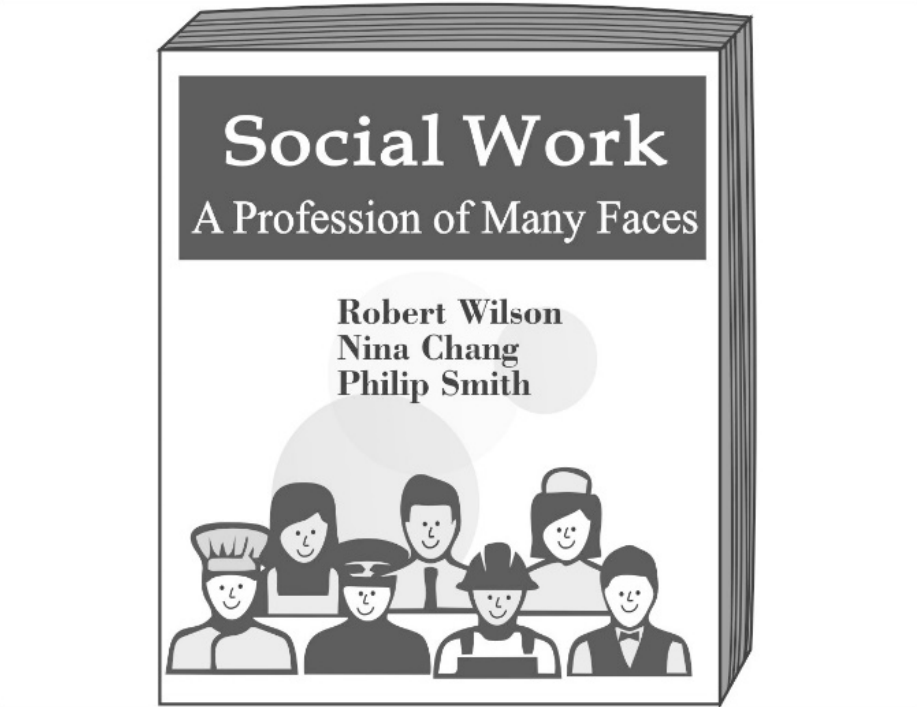
看逐字稿
question nine, please look at picture nine. Question nine. Which two of the following are true about the book? A, it's about saving face in social contexts. B, it tells you what social work means. C, it's about making friends the world over. D, it involves the joint effort of three authors. For
中文翻譯
第九題,請看圖片九。第九題。關於這本書,以下哪兩項說明是正確的?A,這本書是關於在社交場合中顧全面子。B,它告訴你社會工作的意義。C,它是關於結交世界各地的朋友。D,這本書是由三位作者共同撰寫而成。為了
第 10 題 (複選)
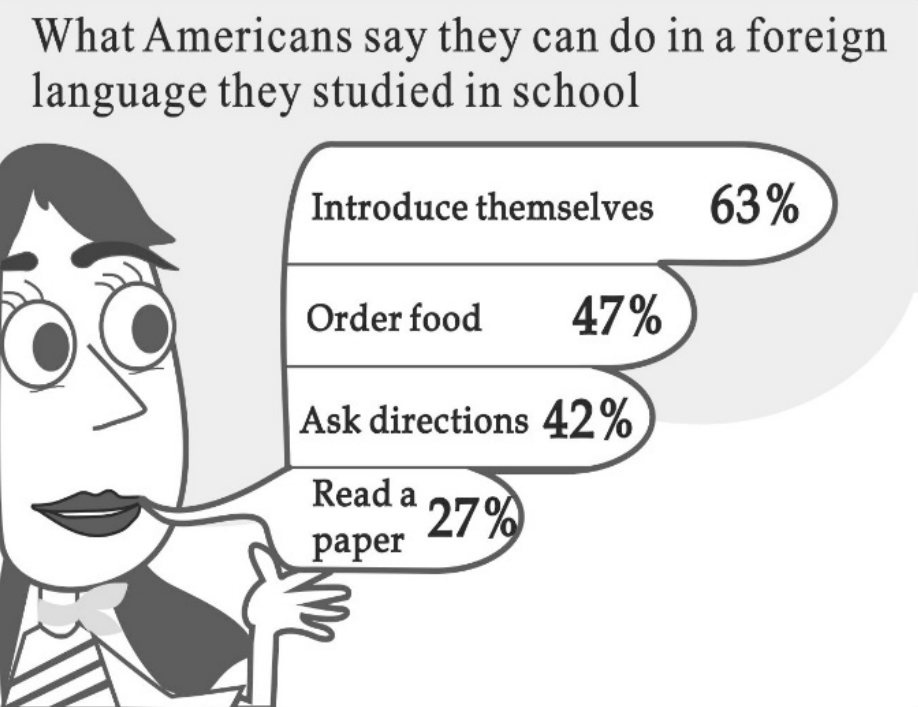
看逐字稿
question 10, please look at picture 10. Question 10. Which two of the following are true about Americans and the foreign language they learned at school? A, more than half of them can use it to introduce themselves, b, more than half of them can use it to ask directions. C, no more than 30% of them can use it to read a paper. D, no more than 30% of them can use it to order food.
中文翻譯
第 10 題,請看圖片 10。第 10 題。關於美國人與他們在學校學習的外語,下列哪兩項說明是正確的?A,超過半數的人可以用它來自我介紹;B,超過半數的人可以用它來問路;C,不超過 30% 的人可以用它來閱讀報紙;D,不超過 30% 的人可以用它來點餐。
第三部分:對答
第 11 題
看逐字稿
Question 11. Excuse me, ma'am. How long will it take to process my application?
中文翻譯
第 11 題。不好意思,女士。請問處理我的申請需要多久?
第 12 題
看逐字稿
12. My neighbors always play loud music around midnight. It's really driving me crazy.
中文翻譯
我的鄰居總是在半夜播放很大聲的音樂,這真的快把我逼瘋了。
第 13 題
看逐字稿
13. Why is that movie star always followed by a large group of fans?
中文翻譯
為什麼那位電影明星身旁總是跟著一大群粉絲?
第 14 題
看逐字稿
Question 14. Simon, can you help me with my science project?
中文翻譯
第 14 題。賽門,你可以幫忙我做我的科學專案嗎?
第 15 題
看逐字稿
Question 15. Are you going to be a long time? I'm really in a hurry.
中文翻譯
第 15 題。你還要很久嗎?我真的很趕時間。
第 16 題
看逐字稿
Question 16. I need exact change to ride the bus, but I only have this $100 bill. Can you help me?
中文翻譯
第 16 題。我搭公車需要自備剛好的零錢,但我只有這張一百元鈔票。你能幫我嗎?
第 17 題
看逐字稿
Question 17. This novel is on our reading list, but I think it's too expensive, don't you?
中文翻譯
第 17 題。這本小說在我們的閱讀書單上,但我覺得它太貴了,你不覺得嗎? A. 不會啊。這份書單對我來說太長了。 B. 對啊。這本小說讀起來很有趣。 C. 對啊。也許我們可以買二手書。 D. 不會啊。我身上只有幾塊錢。
第 18 題
看逐字稿
Question 18. Guess what? Scientists have created a chemical that can be added to food to make people easily feel full.
中文翻譯
第 18 題。你知道嗎?科學家研發出一種可以添加到食物中的化學物質,能讓人輕易產生飽足感。
第 19 題
看逐字稿
Question 19. Why do you keep this plant indoors? I thought it needed a lot of sunshine.
中文翻譯
第 19 題。你為什麼把這盆植物養在室內?我以為它需要很多陽光。
第 20 題
看逐字稿
Question 20. I regret hiking up here in the mountains in such terrible weather. It's raining so hard, and I'm totally wet.
中文翻譯
第 20 題:我很後悔在這麼糟糕的天氣裡爬上山。雨下得好大,我全身都濕透了。
第四部分:簡短對話
第 21 題
看逐字稿
question 21, you'll listen to a short conversation. I'm sorry, but you can't cycle here. This is a walking zone. It's for pedestrians only. Oh, I'm sorry. I didn't know, But I can get off and push my bike, can't I? Yes, of course. That's not a problem. Okay. Thanks. Sorry about that. Question 21. What was the woman doing at the beginning of the conversation? For
中文翻譯
第 21 題,您將聆聽一段簡短的對話。/n「不好意思,您不能在這裡騎腳踏車。這裡是行人徒步區,只供行人通行。」/n「噢,不好意思,我不知道。但我可以下車用推的,對吧?」/n「是的,當然可以,那沒問題。」/n「好的,謝謝。真是不好意思。」/n第 21 題。在對話開始時,這名女子正在做什麼?
第 22 題
看逐字稿
question 22, you'll listen to a short conversation. Gosh. My hand really hurts. I'm not used to writing with a pen. Me neither. I hardly ever write anything by hand these days. So what are you writing? A job application. They want it handwritten, though I really don't know why. They probably think your handwriting shows your personality or something. Question 22. What does the man complain about? For question
中文翻譯
第 22 題,請聽一段簡短的對話。 「天啊,我的手真的很痛。我真不習慣動筆寫字。」 「我也是,我最近幾乎不曾親手寫過任何東西。所以你正在寫什麼?」 「求職申請書。他們要求要手寫,但我真的不知道為什麼。」 「他們大概覺得字跡能看出你的個性之類的吧。」 第 22 題。男子在抱怨什麼?
第 23 題
看逐字稿
23, you'll listen to a short conversation. What's that long face for? Don't tell me it's the Monday blues. Not really. My roommate and I had a big fight last Saturday night, and we haven't spoken to each other since. How come? I thought the two of you got along with each other pretty well. I thought so too. Anyway, one of us will have to move out of the dormitory if we don't make up soon. Question 23. What's wrong with the young woman? For
中文翻譯
第23題,你將會聽到一段簡短的對話。 「你怎麼愁眉苦臉的?別告訴我是因為週一憂鬱。」 「不完全是啦。我室友和我上星期六晚上大吵了一架,從那之後我們就一直沒和對方說話。」 「怎麼會?我以為你們兩個原本相處得挺好的。」 「我也以為。總之,如果我們不趕快和好,我們其中一個人就必須搬出宿舍了。」 第23題。這位年輕女子怎麼了?
第 24 題
看逐字稿
question 24, you'll listen to a short conversation. What's the tooth fairy? A fairy with big teeth or something? Does it punish children by biting them? No. Don't be silly. It's an old tradition. When a baby tooth falls out, kids put it under their pillow when they go to bed. Okay. Then what happens? Well, the tooth fairy comes when they're asleep and exchanges the tooth for a coin. Like I said, it's just a tradition. Question 24. What is the conversation mainly about? For questions
中文翻譯
第 24 題,你將聆聽一段簡短的對話。 「牙仙是什麼?是有著大牙齒的仙女之類的嗎?牠會用咬人的方式來懲罰小孩嗎?」 「不,別傻了。這是一個古老的傳統。當乳牙掉落時,孩子們會在睡覺前把它放在枕頭下。」 「好,那接下來會怎麼樣?」 「嗯,牙仙會在他們睡著時過來,把牙齒換成硬幣。就像我說的,這只是一個傳統。」 第 24 題。這段對話主要在談論什麼?
第 25 題
看逐字稿
twenty five and twenty six, you will listen to a conversation. Good morning. Please have a seat. What seems to be the problem? I have a pretty bad stomachache. I see. And I have to go to the bathroom constantly, and I feel dizzy too. Are there any other symptoms? Sometimes I feel like throwing up, but it comes and goes. This all started after I ate some leftovers in my refrigerator. And when did all these symptoms start? This morning. It sounds pretty serious to me. We need to run some tests first. Is there something I can do meanwhile to not feel so sick? Yes. Make sure you consume a lot of fluids like water, sports drinks, or light soup. Question 25. What is not a symptom the man is experiencing? Question 26. What does the doctor recommend the man do? For
中文翻譯
第25與26題,請聽以下對話。 「早安,請坐。你哪裡不舒服嗎?」 「我肚子痛得很厲害。」 「這樣啊。而且我一直跑廁所,還覺得頭暈。」 「還有其他症狀嗎?」 「有時候會想吐,但一陣一陣的。這一切都是在我吃了冰箱裡的剩菜之後開始的。」 「那這些症狀是什麼時候開始的?」 「今天早上。」 「聽起來蠻嚴重的,我們需要先做一些檢查。」 「那在這期間,我有什麼辦法能讓自己不要那麼難受嗎?」 「有的。請確保你補充大量水分,例如水、運動飲料或清湯。」 第25題。以下哪一個「不是」該名男子出現的症狀? 第26題。醫生建議該名男子怎麼做?
第 26 題
看逐字稿
Question 26. What does the doctor recommend the man do? For questions twenty seven and twenty eight, you'll listen to a conversation. You really should go. I'll pay for the trip if you can't afford it. Thanks. That's really kind of you. But money isn't the main problem. So why don't you go? Your mom doesn't turn 90 every day. You really should go to her party. It would be difficult to get the time off work. It's the busiest time of the year. I think your boss would understand. She's a nice person. Yeah. I know. But But what? But my brother will be there, and I can't stand him. I haven't talked to him for well, it must be a couple of decades. So that's why. But you never know. Perhaps he has changed. People do change over time. And just think about how happy your mom would be to see you two together again.
中文翻譯
第 26 題。醫生建議這名男子做什麼?第 27 題與第 28 題,請聽以下對話。你真的應該去。如果你負擔不起,旅費我來出。謝謝。你人真好。但錢不是最主要的問題。那為什麼不去呢?你媽媽又不是每天都過 90 歲生日。你真的應該去參加她的派對。要向公司請假很困難。這是一年當中最忙的時候。我想你老闆會體諒的。她人很好。對,我知道。但是……但是什麼?但我哥哥也會去,我實在受不了他。我已經……嗯,大概有二十年沒跟他講過話了。原來是這個原因。但這很難說,也許他已經變了。人隨著時間是會改變的。而且想想看,如果你們兩個能再次聚在一起,你媽媽會有多高興。
第 27 題
看逐字稿
questions twenty seven and twenty eight, you'll listen to a conversation. You really should go. I'll pay for the trip if you can't afford it. Thanks. That's really kind of you. But money isn't the main problem. So why don't you go? Your mom doesn't turn 90 every day. You really should go to her party. It would be difficult to get the time off work. It's the busiest time of the year. I think your boss would understand. She's a nice person. Yeah. I know. But But what? But my brother will be there, and I can't stand him. I haven't talked to him for well, it must be a couple of decades. So that's why. But you never know. Perhaps he has changed. People do change over time. And just think about how happy your mom would be to see you two together again. Question 27. What is the woman trying to convince the man to do? Question 28. What can we infer about the relationship between the man and his brother? For questions
中文翻譯
第27與28題,請聽一段對話。 「你真的應該去。如果你付不起旅費,我幫你出。」 「謝謝,你人真好。但錢不是主要的問題。」 「那為什麼不去呢?你媽媽又不是天天在過90歲生日。你真的應該去參加她的派對。」 「要請假很難。這是一年中最忙的時候。」 「我覺得你老闆會體諒的,她人很好。」 「對,我知道。但是……」 「但是什麼?」 「但我兄弟也會去,我實在受不了他。我們已經……嗯,大概有二十年沒說過話了。」 「原來是這樣。但這很難說,說不定他變了。人總是會隨著時間改變的。而且你想想,如果看到你們兩個再次聚在一起,你媽媽會有多高興。」 第27題:女子正試圖說服男子做什麼? 第28題:關於男子與他兄弟的關係,我們可以推論出什麼?
第 28 題
看逐字稿
Question 28. What can we infer about the relationship between the man and his brother? For questions twenty nine and thirty, you'll listen to a conversation. I heard you've just got back from a trip to Japan. A student exchange or something, wasn't it? Yes. That's right. I was in Tokyo for a semester. So how was it? Great. A really good experience. It was the first time I'd been away from home for so long, but I loved it. And I bet your Japanese improved a lot. Well, not so much, to tell the truth. Most of the classes we attended were taught in English. They were kind of specially designed for international students like me. So you didn't get much of a chance to mix with Japanese students then? Not in class, but there were plenty of local students in our dormitory. We mixed with them there, and my Japanese did improve a bit. That's good.
中文翻譯
第 28 題。關於這名男子與他兄弟之間的關係,我們可以推論出什麼?針對第 29 題與第 30 題,你將聆聽一段對話。我聽說你剛從日本旅行回來。是交換學生之類的活動,對吧?是的,沒錯。我在東京待了一個學期。那感覺怎麼樣?太棒了。真的是一次很好的經驗。這是我第一次離開家這麼久,但我很喜歡。我敢說你的日文一定進步了很多。老實說,其實也沒有進步那麼多。我們上的大部分課程都是用英文授課。這些課有點像是專門為像我這樣的國際學生設計的。所以你當時沒有太多機會和日本學生交流囉?課堂上沒有,但我們的宿舍裡有很多當地的學生。我們在那裡和他們打成一片,我的日文確實有進步了一點。那挺好的。
第 29 題
看逐字稿
twenty nine and thirty, you'll listen to a conversation. I heard you've just got back from a trip to Japan. A student exchange or something, wasn't it? Yes. That's right. I was in Tokyo for a semester. So how was it? Great. A really good experience. It was the first time I'd been away from home for so long, but I loved it. And I bet your Japanese improved a lot. Well, not so much, to tell the truth. Most of the classes we attended were taught in English. They were kind of specially designed for international students like me. So you didn't get much of a chance to mix with Japanese students then? Not in class, but there were plenty of local students in our dormitory. We mixed with them there, and my Japanese did improve a bit. That's good. Question 29. Which of the following is true about the speakers? Question 30. What is the main reason the man's Japanese didn't improve much?
中文翻譯
第29題與第30題,請聽以下對話。 「我聽說你剛從日本回來。是去當交換學生之類的,對吧?」 「對,沒錯。我在東京待了一個學期。」 「那那裡怎麼樣?」 「棒極了。真的是一次很好的經驗。這是我第一次離開家這麼久,但我很喜歡。」 「我敢說你的日語一定進步了很多。」 「嗯,老實說,其實沒有進步很多。我們上的大部分課程都是用英語授課的。這些課有點像是專門為像我這樣的國際學生設計的。」 「所以你那時就沒有太多機會和日本學生互動囉?」 「課堂上沒有,但我們的宿舍裡有很多當地的學生。我們在那裡和他們交流,我的日語也因此進步了一點。」 「那很好。」 第29題。關於說話者,下列哪一項是正確的? 第30題。男子的日語沒有進步很多的主要原因是什麼?
第 30 題
看逐字稿
Question 30. What is the main reason the man's Japanese didn't improve much? The sample question is based on the following report. Wonderland is perhaps the most popular vacation spot for families. It attracts tourists and provides jobs for the local residents in its hotels and shopping malls. But now it is called the tragic Kingdom. The neighbors suffer from traffic jams that last for miles, and it takes hours to park the car. Empty cans, bottles, and garbage are everywhere. The whole place is becoming polluted. Most of all, prices of goods are skyrocketing. People pay more for living here. Questions thirty one and thirty two are based on the following talk. What are universities for? Is their primary mission to prepare young people for work? I don't think so. Universities should be teaching students to think critically in order to form their own opinions and beliefs. They need to encourage young people to question and explore, and to equip them with the skills necessary to do this. Additionally, universities should enable students to pursue their academic and intellectual interests, providing them access to the best possible teachers and resources. Young people go to university to broaden their horizons, not just to be trained for work. Preparing young people for work is important, but it's a narrow focus. The primary mission of universities goes much further. Questions thirty three and thirty four are based on the following report. Driverless cars are a reality. In some countries, they are already on the roads, and they will become an increasingly common sight in the years ahead. But what is going to happen in case of accidents? Who will be held responsible? Imagine when crossing the road, a pedestrian is hit by a driverless car. The accident was not the pedestrian's fault, but whose fault was it? Who will be blamed? Perhaps it will be the manufacturer, the company that built the car, or it could be the people who wrote the software that controls the vehicle, or maybe it should be the owner's responsibility, the person who actually bought the car. One thing is certain. Existing laws were written for cars with a human driver, but now new laws will be needed to catch up with this new technology. Questions thirty five and thirty six are based on the following personal story. I got my first job delivering newspapers when I was 14. I'd get up at 06:30 in the morning, six days a week, and go off on my bike to deliver about 30 newspapers before school. A couple of years later I got my first full time job. When I was 16, I left school and went to work in a factory, which packed different kinds of food, mainly snacks. It was hard, dirty work and not very well paid. I worked forty hours a week on average, and took home less than $80 because I didn't have a high school diploma. I really didn't like working in that factory, but the experience taught me a valuable lesson: the importance of education. I realized that without going to high school and college, I might be working long hours at low pay for the rest of my life. Questions thirty seven and thirty eight are based on the following talk. This morning, it was raining very hard. It was pouring down. I was standing outside my apartment building trying to get a taxi. Then I saw a street cleaner clearing away trash in the park across the road. I watched her doing her job and noticed that she only had one arm. At first, I felt sorry for her. It's pouring, I thought. And with only one arm, she's working so slowly. Then I had a second and more positive thought. Isn't it great that physically challenged people can work, can help themselves, and can make contributions to society? But this led to my third thought. I wondered why a one armed person was doing such a physically demanding job. Had she been given an equal opportunity to choose a job, or was this the only one available? This question stayed in my mind for the rest of the day. Questions thirty nine and forty are based on the following report. Hunting animals such as lions has been the subject of much media attention, especially because the number of big game animals in Africa is in decline. At the moment, if you have enough money, you can legally hunt almost any African animal, including lion, leopard, elephant, buffalo, and hippo. You need a permit, but if you follow the rules, then hunting is perfectly legal. But if big game animals in Africa are in decline, then hunting should be banned. Right? Well, maybe, but it's not as simple as that. Those who support hunting point out that hunting actually provides money that directly funds conservation. For instance, one conservation project in Zimbabwe has more than 400 lions as well as an important population of rhino. The funding of the project depends entirely on hunting. According to the reserve manager, a ban on hunting would be a disaster. This is the end of the listening comprehension test.
中文翻譯
第30題。這位男子日語沒有太大進步的主要原因是什麼?範例問題是根據以下報導。萬德蘭(Wonderland)也許是最受家庭歡迎的度假勝地。它吸引了觀光客,並在其飯店和購物中心為當地居民提供工作機會。但現在它被稱為「悲劇王國」。鄰近居民深受長達數英里的塞車之苦,而且停車要花上好幾個小時。空罐、瓶子和垃圾隨處可見。整個地方正變得受到污染。最糟糕的是,物價飛漲。住在這的人要付出更高的生活成本。第31題與第32題是根據以下演講。大學的目的是什麼?它們的首要任務是讓年輕人為就業做好準備嗎?我不這麼認為。大學應該教導學生批判性思考,以建立他們自己的觀點和信念。大學需要鼓勵年輕人去質疑和探索,並使他們具備做到這一點所需的技能。此外,大學應該讓學生能夠追求他們的學術與知性興趣,為他們提供接觸最優秀教師和資源的管道。年輕人上大學是為了拓展視野,而不僅僅是為了工作接受培訓。讓年輕人為就業做好準備固然重要,但這是一個狹隘的焦點。大學的首要任務遠不止於此。第33題與第34題是根據以下報導。自駕車已成為現實。在某些國家,它們已經上路了,而且在未來的幾年裡,它們將變得越來越常見。但是一旦發生事故會怎麼樣?誰該承擔責任?想像一下,在過馬路時,一名行人被一輛自駕車撞倒。這場車禍不是行人的錯,但那是誰的錯?該怪罪於誰?也許是製造商,也就是製造這輛車的公司;或者可能是編寫控制車輛軟體的人;又或者這應該是車主的責任,也就是實際購買這輛車的人。有一件事是肯定的,現行法律是為有人類駕駛的車輛所制定的,但現在需要新法律來跟上這項新科技。第35題與第36題是根據以下個人故事。我在14歲時得到了第一份送報紙的工作。我每週有六天要在早上6:30起床,在去上學前騎自行車去送大約30份報紙。幾年後,我得到了第一份全職工作。16歲時,我輟學去一家工廠工作,那家工廠主要包裝不同種類的食品,主要是零食。那是一份辛苦、骯髒且薪水不高的工作。我平均每週工作40個小時,拿回家的收入不到80美元,因為我沒有高中學歷。我真的很不喜歡在那家工廠工作,但這次經驗給了我寶貴的一課:教育的重要性。我意識到,如果不上高中和大學,我餘生可能都要在長時間且低薪的環境下工作。第37題與第38題是根據以下演講。今天早上,雨下得非常大,簡直是用倒的。我站在我的公寓大樓外,試圖叫一輛計程車。這時,我看到一名清潔工正在馬路對面的公園裡清理垃圾。我望著她工作,並注意到她只有一隻手臂。一開始,我為她感到難過。我想,雨下得這麼大,而且只有一隻手臂,她工作得好慢。接著,我有了第二個更積極的想法:身心障礙人士能夠工作、自力更生並對社會做出貢獻,這難道不是很棒嗎?但這引發了我的第三個想法。我納悶為什麼一個只有單臂的人會做如此需要體力的工作。她是否獲得了平等的職業選擇機會,還是這是唯一可行的工作?這個問題在我的腦海裡縈繞了一整天。第39題與第40題是根據以下報導。獵捕獅子等動物一直是媒體關注的焦點,特別是因為非洲大型獵物動物的數量正在減少。目前,只要你有足夠的錢,你就可以合法獵捕幾乎任何非洲動物,包括獅子、豹、大象、水牛和河馬。你需要許可證,但只要你遵守規則,獵捕是完全合法的。但是如果非洲的大型獵物動物正在減少,那麼獵捕應該被禁止,對吧?編,也許吧,但事情並沒有那麼簡單。支持獵捕的人指出,獵捕實際上提供了直接資助保育工作的資金。例如,辛巴威的一個保育計畫擁有400多隻獅子以及重要的犀牛族群。該計畫的資金完全仰賴獵捕。根據保護區經理的說法,禁止獵捕將會是一場災難。聽力測驗結束。
第五部分:短文聽解
第 31 題
What is this talk mainly about?
看逐字稿
Questions thirty one and thirty two are based on the following talk. What are universities for? Is their primary mission to prepare young people for work? I don't think so. Universities should be teaching students to think critically in order to form their own opinions and beliefs. They need to encourage young people to question and explore, and to equip them with the skills necessary to do this. Additionally, universities should enable students to pursue their academic and intellectual interests, providing them access to the best possible teachers and resources. Young people go to university to broaden their horizons, not just to be trained for work. Preparing young people for work is important, but it's a narrow focus. The primary mission of universities goes much further.
中文翻譯
第 31 題與第 32 題是根據以下這段談話。大學的目的是什麼?它們的首要任務是為年輕人的就業做準備嗎?我不這麼認為。大學應該教導學生批判性思考,以建立他們自己的觀點與信念。大學需要鼓勵年輕人去質疑與探索,並培養他們所需的技能。此外,大學應該讓學生能夠追求學術與知識上的興趣,為他們提供最好的師資和資源。年輕人上大學是為了拓展視野,而不僅僅是為了接受工作培訓。為年輕人的就業做準備固然重要,但這樣眼光太過狹隘。大學的首要任務遠不只如此。
第 32 題
Which of the following would the speaker most likely agree with?
看逐字稿
(Shared talk with Q31 — read the printed stem; no separate spoken question prompt. The talk audio plays once on the group clip.)
中文翻譯
(與第 31 題共用聽力文本——請閱讀印出的題幹;無個別的口語問題提示。該段演講音檔於組合剪輯中播放一次。)
第 33 題
What does the speaker say about driverless cars in the future?
看逐字稿
Questions thirty three and thirty four are based on the following report. Driverless cars are a reality. In some countries, they are already on the roads, and they will become an increasingly common sight in the years ahead. But what is going to happen in case of accidents? Who will be held responsible? Imagine when crossing the road, a pedestrian is hit by a driverless car. The accident was not the pedestrian's fault, but whose fault was it? Who will be blamed? Perhaps it will be the manufacturer, the company that built the car, or it could be the people who wrote the software that controls the vehicle, or maybe it should be the owner's responsibility, the person who actually bought the car. One thing is certain. Existing laws were written for cars with a human driver, but now new laws will be needed to catch up with this new technology.
中文翻譯
第33題與第34題是根據以下報導。自駕車已經成為現實。在某些國家,它們已經上路了,而且在未來幾年將會變得越來越常見。但如果發生車禍,會怎麼樣呢?誰該承擔責任?想像一下,當一名行人正在過馬路時,被一輛自駕車撞到。這場事故並非行人的錯,但那是誰的錯呢?該怪罪誰?也許是製造商(也就是造車的公司),或者可能是編寫控制車輛軟體的人,又或許應該是車主(實際買車的人)的責任。有一件事是肯定的。現行法律是為有人類駕駛的車輛所制定的,但現在我們需要新法律來跟上這項新技術的步伐。
第 34 題
Who is NOT mentioned in the report as being responsible for an accident involving driverless cars?
看逐字稿
(Shared talk with Q33 — read the printed stem; no separate spoken question prompt. The talk audio plays once on the group clip.)
中文翻譯
(與第 33 題共用聽力內容 — 請閱讀紙本題幹;無單獨的口頭問題提示。該聽力音檔在題組片段中僅播放一次。)
第 35 題
Which of the following best describes the speaker’s first job?
看逐字稿
thirty five and thirty six are based on the following personal story. I got my first job delivering newspapers when I was 14. I'd get up at 06:30 in the morning, six days a week, and go off on my bike to deliver about 30 newspapers before school. A couple of years later I got my first full time job. When I was 16, I left school and went to work in a factory, which packed different kinds of food, mainly snacks. It was hard, dirty work and not very well paid. I worked forty hours a week on average, and took home less than $80 because I didn't have a high school diploma. I really didn't like working in that factory, but the experience taught me a valuable lesson: the importance of education. I realized that without going to high school and college, I might be working long hours at low pay for the rest of my life.
中文翻譯
第35題與第36題是根據以下的個人故事。我14歲時得到了第一份工作,那是送報紙。我一週有六天要在早上6:30起床,在上學前騎腳踏車去送大約30份報紙。幾年後,我得到了第一份全職工作。16歲時,我離開學校去一家工廠上班,那家工廠負責包裝各種食品,主要是零食。那是份辛苦、骯髒且待遇不佳的工作。我平均一週工作40個小時,因為沒有高中畢業證書,實領薪資不到80美元。我真的很不喜歡在那家工廠工作,但這次經驗教了我寶貴的一課:教育的重要性。我意識到,如果沒有讀高中和大學,我餘生可能都得在長工時、低薪的環境下工作。
第 36 題
Which of the following can be inferred about the speaker?
看逐字稿
(Shared talk with Q35 — read the printed stem; no separate spoken question prompt. The talk audio plays once on the group clip.)
中文翻譯
(與第 35 題共用簡短演講——請閱讀印出的題幹;無單獨的口語問題提示。該演講音檔於題組中播放一次。)
第 37 題
What was the street cleaner doing when the speaker saw her?
看逐字稿
thirty seven and thirty eight are based on the following talk. This morning, it was raining very hard. It was pouring down. I was standing outside my apartment building trying to get a taxi. Then I saw a street cleaner clearing away trash in the park across the road. I watched her doing her job and noticed that she only had one arm. At first, I felt sorry for her. It's pouring, I thought. And with only one arm, she's working so slowly. Then I had a second and more positive thought. Isn't it great that physically challenged people can work, can help themselves, and can make contributions to society? But this led to my third thought. I wondered why a one armed person was doing such a physically demanding job. Had she been given an equal opportunity to choose a job, or was this the only one available? This question stayed in my mind for the rest of the day.
中文翻譯
第37與38題是根據以下這段話。今天早上雨下得很大,簡直是傾盆大雨。我當時正站在公寓大樓外面,試著攔計程車。接著,我看到一名清潔工正在馬路對面的公園裡清理垃圾。我看著她工作,並注意到她只有一隻手臂。起初,我為她感到難過。我心想:雨下得這麼大,而且她只有一隻手臂,工作得好慢。接著,我有了第二個更積極的想法。身心障礙人士能夠工作、自食其力並對社會做出貢獻,這難道不是很棒的事嗎?但這引發了我的第三個想法。我納悶為什麼一個只有單臂的人要從事體力要求這麼高的工作。她是否獲得了平等的就業選擇機會,還是這是她唯一能得到的工作?這個問題在我腦海裡盤旋了一整天。
第 38 題
Which of the following best describes the speaker’s view toward physically challenged people working for a living?
看逐字稿
(Shared talk with Q37 — read the printed stem; no separate spoken question prompt. The talk audio plays once on the group clip.)
中文翻譯
(與第37題共用聽力文本——請閱讀試卷上的題幹;無單獨的口頭提問。該段聽力音檔於題組中播放一次。)
第 39 題
According to the report, why has hunting animals attracted a lot of media attention?
看逐字稿
Questions thirty nine and forty are based on the following report. Hunting animals such as lions has been the subject of much media attention, especially because the number of big game animals in Africa is in decline. At the moment, if you have enough money, you can legally hunt almost any African animal, including lion, leopard, elephant, buffalo, and hippo. You need a permit, but if you follow the rules, then hunting is perfectly legal. But if big game animals in Africa are in decline, then hunting should be banned. Right? Well, maybe, but it's not as simple as that. Those who support hunting point out that hunting actually provides money that directly funds conservation. For instance, one conservation project in Zimbabwe has more than 400 lions as well as an important population of rhino. The funding of the project depends entirely on hunting. According to the reserve manager, a ban on hunting would be a disaster. This is the end of the listening comprehension test.
中文翻譯
第三十九題與第四十題是根據以下報導。獵捕像獅子這樣的動物一直備受媒體關注,特別是因為非洲大型野生動物的數量正在減少。目前,如果你有足夠的錢,你就可以合法獵捕幾乎任何非洲動物,包括獅子、豹、大象、水牛和河馬。你需要許可證,但只要遵守規定,狩獵就是完全合法的。不過,既然非洲的大型野生動物數量正在減少,那麼狩獵應該被禁止,對吧?嗯,或許吧,但事情並不是那麼簡單。支持狩獵的人指出,狩獵實際上提供了直接資助保育工作的資金。例如,辛巴威的一個保育計畫擁有四百多隻獅子以及相當數量的犀牛族群。該計畫的資金完全仰賴狩獵。根據保護區經理的說法,禁止狩獵將會是一場災難。聽力測驗結束。
第 40 題
Which of the following is most likely the speaker’s opinion of hunting?
看逐字稿
(Shared talk with Q39 — read the printed stem; no separate spoken question prompt. The talk audio plays once on the group clip.)
中文翻譯
(與第 39 題共用聽力內容——請閱讀試卷上的題幹;無單獨播放的問題提示。該段演說音檔僅播放一次。)